

ABUJA, Nigeria – November 20, 2026
Nigeria and the European Union are exploring fresh investment opportunities in the country’s electricity sector, with particular focus on renewable energy, transmission infrastructure and regional electricity market development.
The initiative is aimed at attracting private-sector investment, modernising electricity infrastructure and addressing persistent challenges affecting power supply across the country.
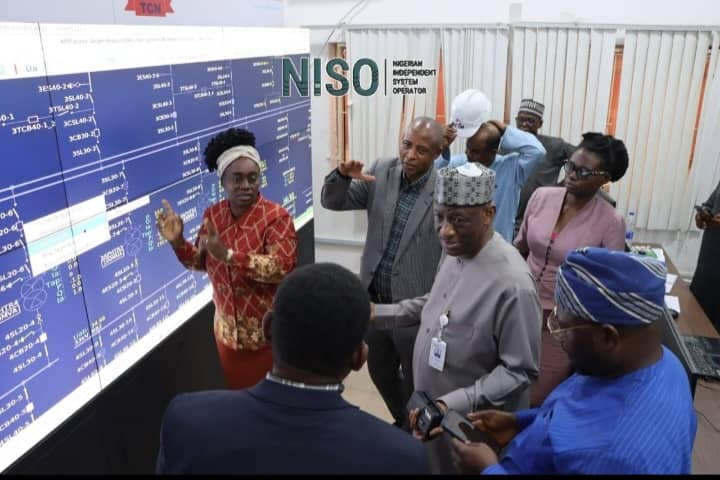
The Managing Director and Chief Executive Officer of the Nigerian Independent System Operator (NISO), Engineer Abdu Mohammed Bello, disclosed this during a meeting with a European Union delegation visiting the organisation.
Bello identified investment opportunities across electricity generation, transmission, distribution, technical training and capacity development, while highlighting Nigeria’s considerable solar and wind energy potential.
He also called for a shift from the traditional dependence on government funding for transmission infrastructure, advocating greater participation by private investors.
According to him, NISO has developed a draft framework to encourage private-sector investment in transmission infrastructure and is seeking European Union support to establish a bankable financing structure capable of attracting sustainable investments.
The discussions also covered emerging opportunities created by electricity market reforms across Nigerian states, particularly in embedded generation, distribution franchising, metering and revenue protection.
Leading the European Union delegation, Mr Massimo De Luca, Head of Partnership for the EU, said the bloc was increasingly moving beyond technical assistance towards facilitating concrete infrastructure investments through its Global Gateway Strategy.
The strategy seeks to bring together European governments, financial institutions and private-sector operators to support infrastructure development and sustainable investment partnerships.
Both parties also identified opportunities for regional electricity trade through Nigeria’s participation in the West African Power Pool, which could strengthen cross-border electricity connectivity and support future power exports.
The proposed partnership comes amid persistent electricity supply challenges in Nigeria, including inadequate transmission infrastructure, gas supply constraints and limited generation capacity.
Leave a Reply