
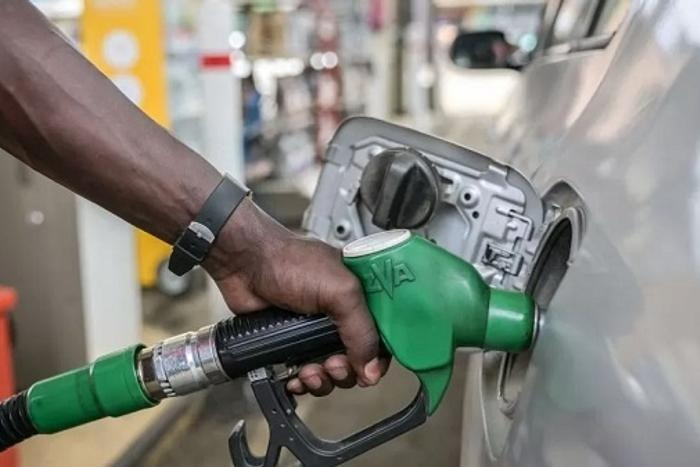
The Chamber of Oil Marketing Companies (COMAC) has called on the National Petroleum Authority (NPA) to strictly enforce the approved petroleum price floor, warning that persistent breaches could undermine fair competition and threaten the stability of Ghana’s downstream petroleum industry.
The Chamber says it is concerned about the continued sale of petroleum products below the regulator-approved minimum prices, as well as what it describes as attempts to misrepresent the policy to the public.
In a press release, COMAC noted that some instances of below-floor pricing had been dismissed as errors, followed by calls for the abolition of the pricing policy.
It argued that such practices amounted to circumvention of the regulatory framework, adding that it had yet to observe regulatory action addressing the reported breaches.
COMAC acknowledged the importance of competition in Ghana’s liberalised downstream petroleum market but cautioned that pricing practices that violate regulatory requirements could threaten market stability, consumer confidence and the long-term sustainability of the industry.
The Chamber explained that the NPA introduced the price floor to curb predatory pricing and unhealthy competition, rather than to impose additional financial burdens on consumers.
According to COMAC, the policy is intended to ensure that petroleum operators compete fairly while meeting their tax and regulatory obligations, maintaining safety and quality standards, and sustaining their businesses.
It warned that selective compliance places companies adhering to the rules at a commercial disadvantage and weakens confidence in the country’s regulatory framework.
Meanwhile, COMAC has projected significant reductions in ex-pump petroleum prices during the first pricing window of December 2026.
The anticipated decline, it said, would be driven by developments in the international petroleum market, exchange rate movements and other market fundamentals.
The Chamber described the expected price reductions as positive for consumers, businesses and transport operators who have been grappling with relatively high energy costs.
However, it stressed that the anticipated reductions should not be used as justification for operators to disregard the approved pricing framework.
COMAC maintained that legitimate price reductions must be passed on to consumers through the established pricing mechanism, while any adjustments to the price floor within a pricing window must be undertaken through the appropriate regulatory channels.
It further argued that maintaining pricing discipline during periods of both rising and falling prices was essential to preventing predatory competition that could drive businesses out of the market and ultimately expose consumers to higher prices.
The Chamber has therefore urged the NPA to enforce the price floor across all Oil Marketing Companies and LPG Marketing Companies without discrimination.
It has also called for investigations into reported cases of non-compliance and circumvention, with appropriate sanctions applied in accordance with due process.
Additionally, COMAC wants the regulator to intensify public education on the purpose of the price floor, particularly its role in protecting businesses and jobs, ensuring fuel quality and tax compliance, and safeguarding long-term petroleum supply.
The Chamber cautioned against what it described as a race to the bottom in petroleum pricing, warning that it could result in business failures, compromised industry standards and reduced investment.
COMAC reaffirmed its commitment to fair competition and regulatory compliance, while urging its members to adhere strictly to the revised Petroleum Products Pricing Guidelines.
It said a stable and properly regulated downstream petroleum market would benefit consumers, industry players and the State, insisting that regulatory enforcement should be viewed as a necessary measure to protect market integrity.
Leave a Reply