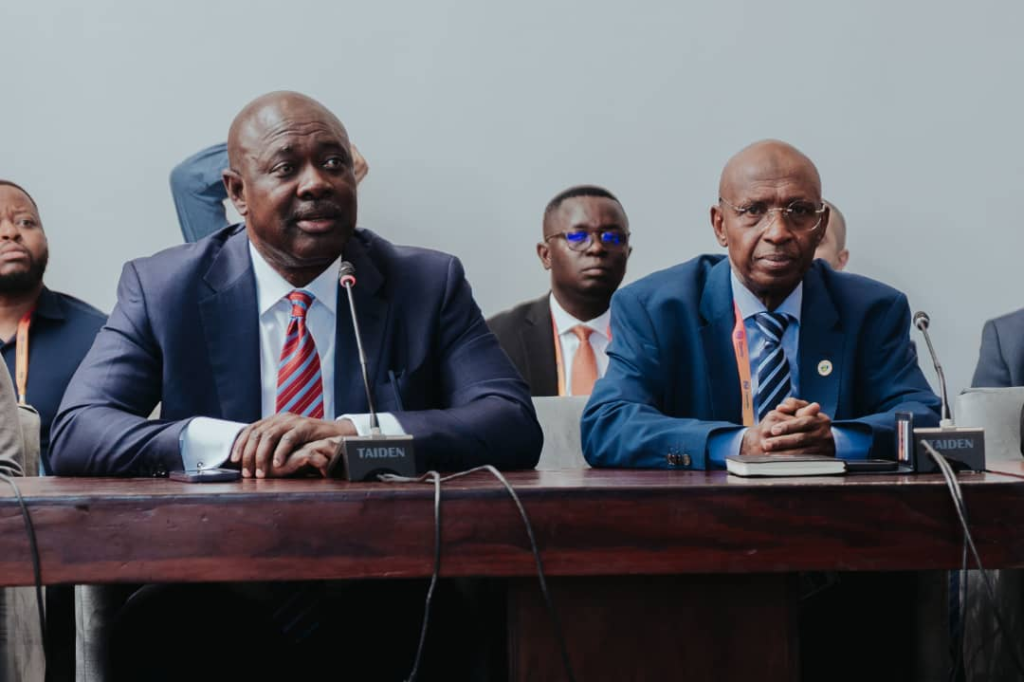

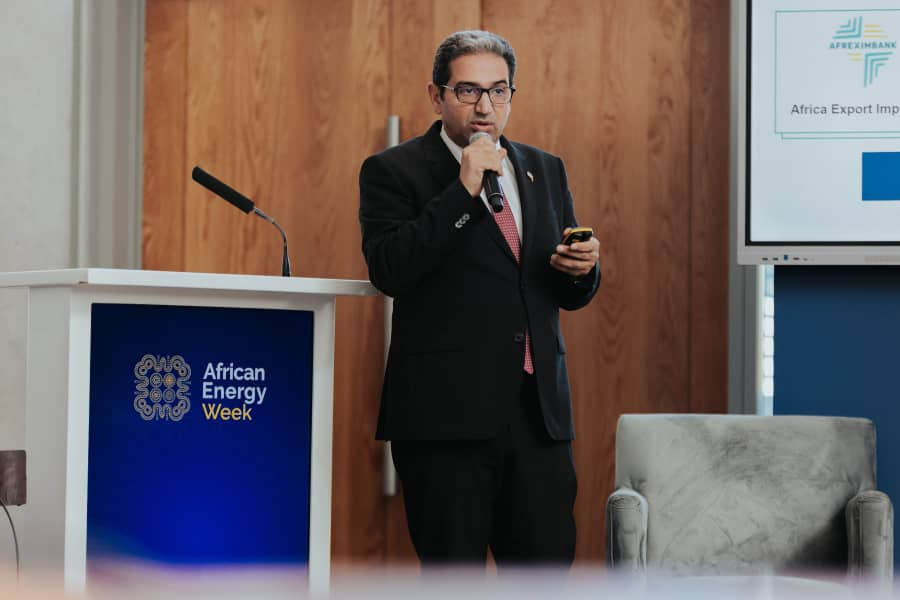
Cape Town, South Africa — The African Petroleum Producers’ Organization (APPO) and the African Export-Import Bank (Afreximbank) have announced progress on the creation of the $5 billion Africa Energy Bank, an initiative designed to address Africa’s chronic energy financing challenges and expand electricity access for millions.
The update was delivered on Monday during a pre-conference workshop at African Energy Week (AEW) 2025: Invest in African Energies in Cape Town. The session, titled Africa Energy Bank Take-Off – Bridging the Financing Gap for Africa’s Energy Sector, underscored the urgency of closing the continent’s $31–50 billion annual energy finance deficit.
Dr. Omar Farouk Ibrahim, Secretary General of APPO, revealed that the bank has made rapid progress in mobilizing capital. “We have succeeded in raising a large chunk of the funds we needed to get this bank started. In the last two to three years, we have achieved what no other development bank has in terms of the timeline,” he said.
Highlighting Africa’s energy access challenges, Ibrahim noted: “More than 600 million Africans lack electricity, yet we export 75% of our oil production and 45% of gas. If we want energy for our people, then we have to fund the projects.” He stressed that Africa must take the lead in financing its energy future: “We cannot continue to look to others to help us. If we get outside support, it should be to supplement what we have done.”
Afreximbank Executive Vice President Haytham El Maayergi echoed concerns over the high costs of financing on the continent. “Africa is being penalized – we pay more per kilowatt before subsidies than anywhere in the world because the costs of financing energy projects are higher. When we borrow, we pay more because our credit ratings are not as high. It’s a toll on Africa,” he said.
According to the workshop presentation, Africa receives only 4% of global climate investment, despite requiring between $1.6 trillion and $1.9 trillion by 2030 to transition away from fossil fuels. With fossil fuels still contributing 35–82% of government revenues in several countries, the bank is expected to play a central role in ensuring sustainable development and improved energy access across the continent.