

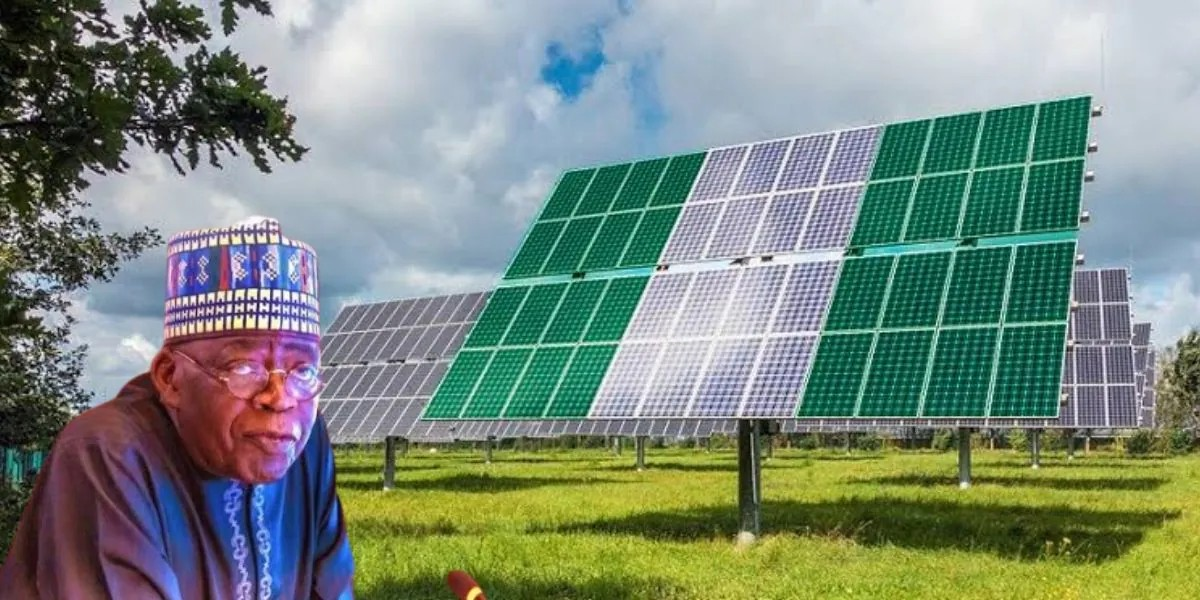
Africa is experiencing a record-breaking surge in solar adoption, with imports of Chinese panels hitting unprecedented highs across the continent. But while countries like Algeria, South Africa, and Kenya accelerate clean energy deployment, Nigeria, the continent’s most populous nation and one of its biggest energy consumers, risks being left behind. The government’s plan to ban solar panel imports has sparked concerns that Africa’s solar boom may bypass Nigeria altogether.
In May 2025 alone, African countries imported more than 1.57 gigawatts (GW) of solar panels from China, marking one of the largest monthly shipments to the continent. Algeria led the charge, recording a staggering 6,300% year-on-year increase in solar imports. These imports are not only powering large utility-scale projects but also providing cheaper options for rooftop installations, mini-grids, and off-grid systems that are transforming energy access across Sub-Saharan Africa.
For most African nations, the falling cost of Chinese-made solar technology has been a game-changer, offering a faster and more affordable path to electrification compared to traditional fossil fuel infrastructure. This has helped accelerate the shift toward renewable energy while reducing reliance on diesel generators and expensive fuel imports.
Nigeria’s Import Ban Proposal
In stark contrast to this momentum, Nigeria’s Ministry of Science and Technology announced in March 2025 plans to ban the importation of solar panels. The policy, framed under Executive Order No. 5, aims to boost local manufacturing, conserve foreign exchange, and create jobs in the renewable energy sector.
Minister Uche Nnaji argued that Nigeria must reduce its dependency on foreign technology:
“We cannot continue to depend entirely on imports if we want to build a resilient energy economy. The solar sector must be domesticated.”
While the ambition to foster industrialization is laudable, critics say the timing and lack of preparedness could prove disastrous for a sector still reliant on imports for up to 90% of its components.
Why Experts Are Alarmed
Energy experts, business leaders, and civil society organizations warn that the proposed ban could have unintended consequences.
Limited Local Capacity
Nigeria’s local solar assembly capacity stands at less than 20 megawatts (MW) per year, far below the country’s projected demand of 10 gigawatts (GW) by 2030. In contrast, countries like South Africa already operate larger assembly plants and still rely on imports to bridge supply gaps.
Rising Costs for Consumers
Analysts predict that if imports are halted abruptly, solar installation costs could rise by 40% to 150%. This would price out millions of households and small businesses that have increasingly turned to solar to escape Nigeria’s unreliable national grid and high diesel costs.
Threat to Energy Access Goals
Nigeria has one of the world’s largest populations without access to electricity, about 86 million people remain unconnected. The ban risks slowing down rural electrification efforts where off-grid solar has been a lifeline.
Policy Contradictions
Ironically, Nigeria signed a 2,600 MW solar procurement deal with LONGi Solar France just days after floating the ban. Critics see this as evidence of inconsistent policymaking that could deter investors.