
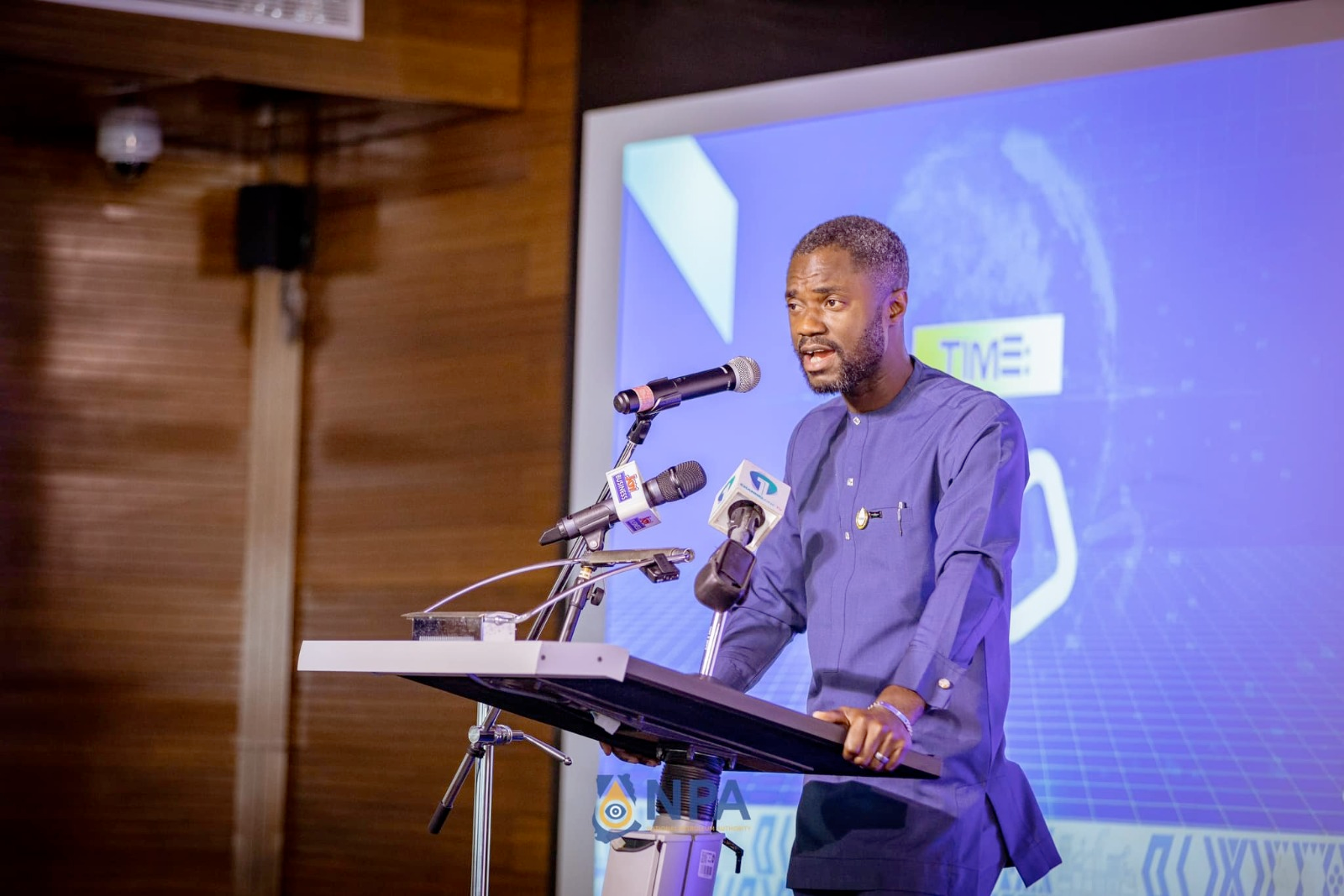
At the National LPG Promotion Forum held this week under the theme “One Industry, One Vision: A Collaborative Approach to LPG Sector Transformation,” the Chief Executive Officer of the Chamber of Oil Marketing Companies (COMAC), Dr. Riverson Oppong, delivered a strong message urging government and industry players to take decisive steps to stabilise LPG supply and improve pricing efficiency across the sector.
The forum brought together various participants including the Deputy Minister of Energy Richard Gyan Mensah, the Chief Executive of the National Petroleum Authority (NPA), Dodwin Edudzi Tamekloe and other industry leaders, Dr. Oppong commended the NPA for convening the forum, describing the theme as timely and aligned with the urgent need to transform Ghana’s LPG industry.
LPG Rationing at Atuabo Creating Supply Instability
Dr. Oppong raised concerns about ongoing rationing at the Atuabo Gas Processing Plant, which has affected the operations of several LPG Marketing Companies (LPGMCs). He noted that the plant, expected to supply about 40% of the country’s LPG demand, is currently delivering only 26%, resulting in a national shortfall of 14%.
This deficit, he explained, has forced the NPA to frequently issue cross-zonal loading authorizations to prevent localized shortages. While this intervention has kept the market running, Dr. Oppong warned that the approach is not sustainable.
“LPG marketers depend on predictable supply to plan loading schedules. The current situation increases operational costs, disrupts business planning, and introduces inefficiencies across the entire value chain,” he said, calling for a long-term supply stabilization framework.
Ex-Refinery LPG Prices Remain High — COMAC Calls for Review of Tender System
The COMAC CEO also highlighted concerns about rising ex-refinery LPG prices under the current LPG tender system managed by the two dominant Bulk Import, Distribution and Export Companies (BIDECs) — Fueltrade and Sahara.
Dr. Oppong noted that although the tender system was designed to reduce premiums through economies of scale and efficiency, limited competition in the importation space has resulted in persistently high prices.
He recommended that government open the market to additional BIDECs or consider a full review or even removal of the existing tender framework.
“Expanding participation will enable genuine market forces to operate, drive down premiums, and ultimately deliver better prices for consumers while ensuring price stability across the value chain,” he stated.
Commitment to Collaboration for Sector Transformation
Dr. Oppong reaffirmed COMAC’s commitment to working closely with the NPA, the Ministry of Energy & Green Transition, and other stakeholders to build a more predictable, affordable, and efficient LPG sector.
“The LPG industry is central to Ghana’s clean-cooking transition, public health, safety, and energy security. Ensuring supply reliability and competitive pricing is crucial for unlocking its full potential,” he said.
He concluded with a call for a united effort to ensure that LPG becomes more accessible, affordable, reliable, and safe for all Ghanaian households.