
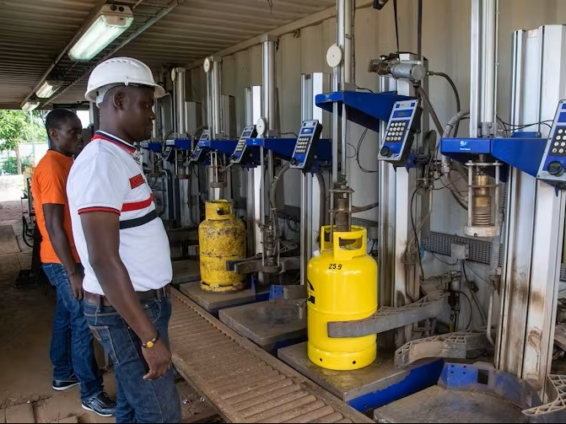
The Ghana Chamber of Oil Marketing Companies (COMAC) has cautioned that excessive taxes on Liquefied Petroleum Gas (LPG) are undermining efforts to promote clean energy and protect forests across West Africa. The Chamber says the growing tax burden is forcing millions of low-income households to revert to charcoal and firewood for cooking, accelerating deforestation and environmental degradation.
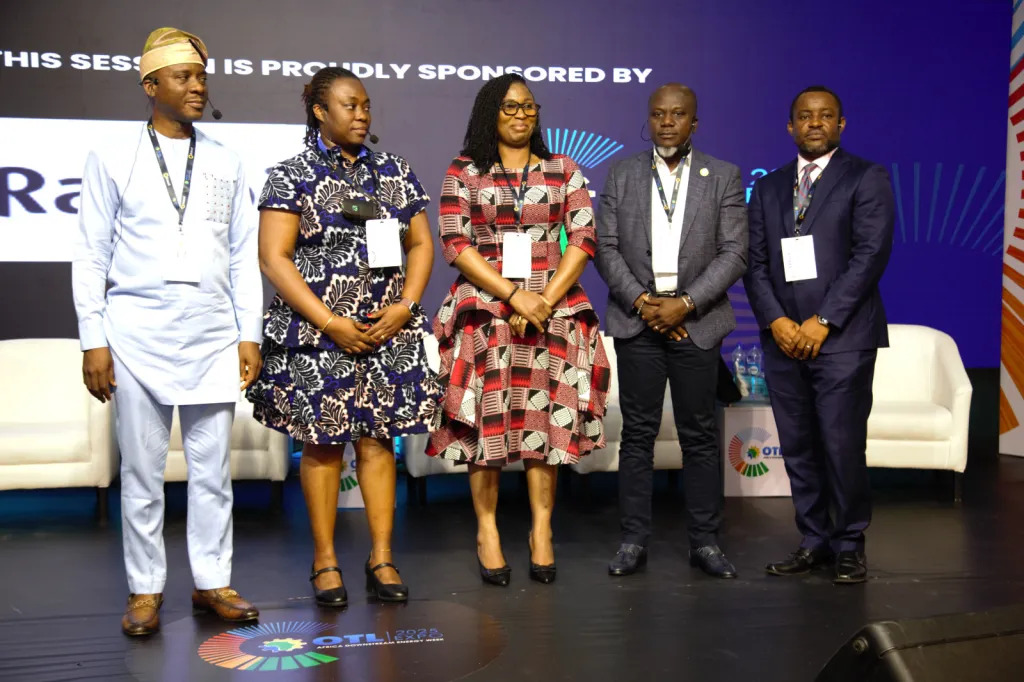
Speaking at the 19th OTL Africa Downstream Energy Week in Lagos, Nigeria, COMAC Chairman Gabriel Kumi warned that the region is heading toward an environmental setback unless governments take urgent steps to make LPG affordable.
“Across Africa, about 60 to 70 percent of people still rely on firewood and charcoal. These are the poorest households who cannot afford LPG,” he said. “Unless we make LPG affordable, we will not achieve meaningful progress on clean energy or forest protection.”
Mr. Kumi cited Ghana’s experience as a cautionary tale, noting that LPG consumption grew by less than five percent between 2015 and 2020 following the introduction of multiple taxes and has since declined further between 2020 and 2024. He described the levies as “nuisance taxes” that have pushed LPG prices beyond the reach of ordinary citizens.
“Currently, only about 30 percent of Ghanaians mostly middle-income earners can afford LPG. The rest are being priced out and turning back to charcoal,” he noted.
Comparing regional trends, Mr. Kumi commended Nigeria for keeping LPG prices relatively low around 80 cents per kilogram compared to Ghana’s 120 cents. This pricing strategy, he said, has helped drive higher adoption rates in Nigeria, proving that affordability is key to promoting cleaner cooking alternatives.
He urged governments across West Africa to eliminate taxes on LPG and introduce targeted subsidies to support rural and low-income households.
“If we continue taxing LPG, we’re effectively taxing the environment,” Mr. Kumi emphasized. “We can host all the clean energy conferences we want, but until people can afford LPG, deforestation will continue.”
He called on policymakers to view LPG not merely as a commercial commodity, but as a vital environmental and public health instrument in Africa’s clean energy transition.