

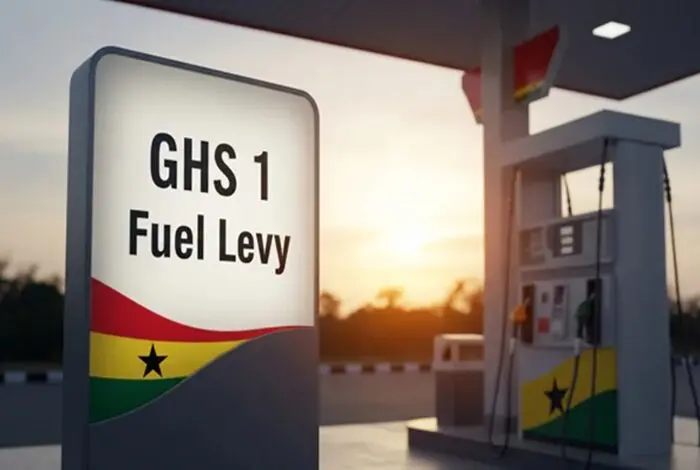
Professional services firm PwC has cautioned that while the recently revised Energy Sector Levies are poised to strengthen Ghana’s power supply and reduce sector debt, they also risk burdening consumers with higher fuel costs and rising inflation.
In its analysis of the 2025 Mid-Year Budget Review, PwC highlighted the dual-edged impact of the Energy Sector Levies (Amendment) Act, 2025 (Act 11), which introduced an additional GH¢1 per litre tax on selected petroleum products. The move, approved by Parliament, significantly raised the revised Energy Sector Levies Act (ESLA) revenue target from GH¢6.7 billion to GH¢9.6 billion. The Energy Sector Shortfall and Debt Repayment Levy (ESSDRL) alone saw an upward revision from GH¢5.7 billion to GH¢8.6 billion.
As of mid-year 2025, collections from the ESSDRL and related levies stood at GH¢2.9 billion an encouraging sign of progress towards the new target. However, PwC warned that the full impact of the additional levy is yet to be felt, particularly in the second half of the year when the GH¢1 per litre charge takes full effect.
The firm noted that while these levies are critical for addressing longstanding financial challenges in the energy sector, they could indirectly drive up transport fares and inflation, disproportionately affecting vulnerable groups.
To mitigate these effects, PwC recommended that government carefully monitor the inflationary consequences of the levies and consider alternative financing options to reduce long-term reliance on petroleum-based revenues.