

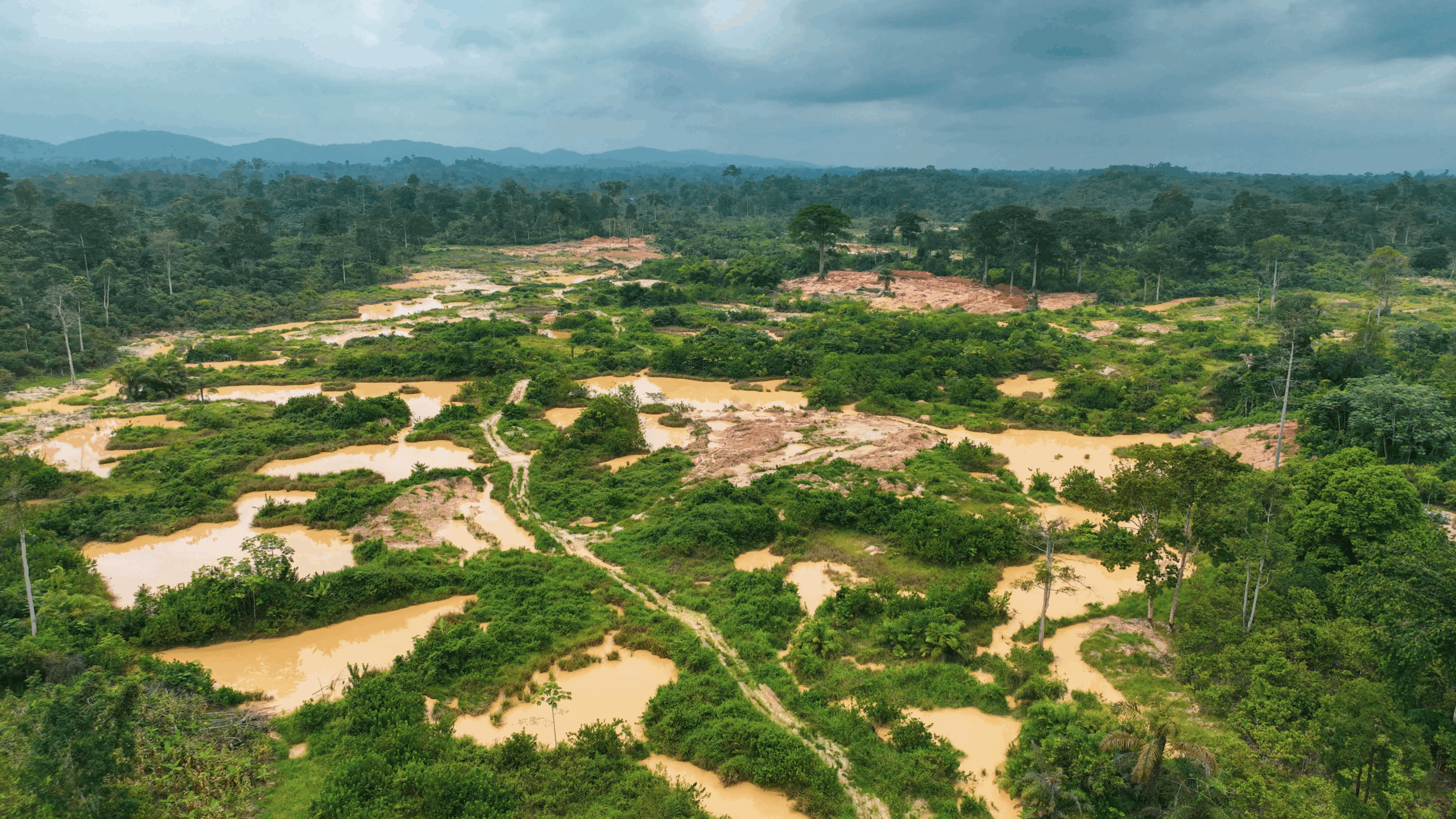
Illegal mining activities commonly referred to as galamsey pose a significant threat to Ghana’s plans to develop onshore oil resources, according to Kwame Jantuah, a board member of the Ghana National Petroleum Corporation (GNPC).
Speaking on TV3’s New Day programme on Friday, July 25, Mr. Jantuah cautioned that rampant galamsey operations in key exploration zones, especially within the Voltaian Basin, could derail national ambitions to unlock untapped petroleum resources inland.
“If we are not careful, galamsey could be a huge hindrance to us,” he warned. “The areas where onshore oil is being discovered are increasingly being affected by illegal mining.”
He highlighted the environmental damage caused by galamsey polluted rivers, degraded landscapes, and unsafe terrains as major barriers to establishing vital oil infrastructure like pipelines, drill pads, and wellheads. This, he argued, could severely delay or compromise the viability of inland oil production.
Mr. Jantuah called for a unified, non-partisan national response to the galamsey crisis. He emphasized that framing the issue along political lines risks undermining long-term development efforts not only in oil and gas, but also in agriculture, water security, and public health.

“This is not a party issue,” he insisted. “Galamsey affects our natural resources, food systems, and now potentially our oil future. It is a national crisis and must be treated as such.”
He also revealed that the GNPC is positioning itself to lead onshore exploration and production in the Voltaian Basin, with a vision to empower Ghanaian companies and professionals to take center stage in this emerging sector. Production is expected to begin around 2030.
“We want GNPC to be the main IOC International Oil Company—onshore,” he explained. “Our goal is for Ghanaians to be first in line, owning, operating, and benefiting from our oil resources.”
Drawing lessons from Nigeria, where indigenous oil companies have made major strides in marginal field development, Jantuah urged Ghana to prioritize inclusive economic growth and transparency in the use of oil revenues. He warned against the mismanagement that has plagued other oil-producing nations, stressing that onshore oil must directly benefit local communities and the national economy.
As Ghana eyes a new frontier in its energy sector, Jantuah’s message is clear: illegal mining must be decisively addressed to protect both the environment and the country’s future energy security.