
Ghana has introduced a new Renewable Energy and Green Transition Fund as part of efforts to fast-track the country’s energy transition agenda.
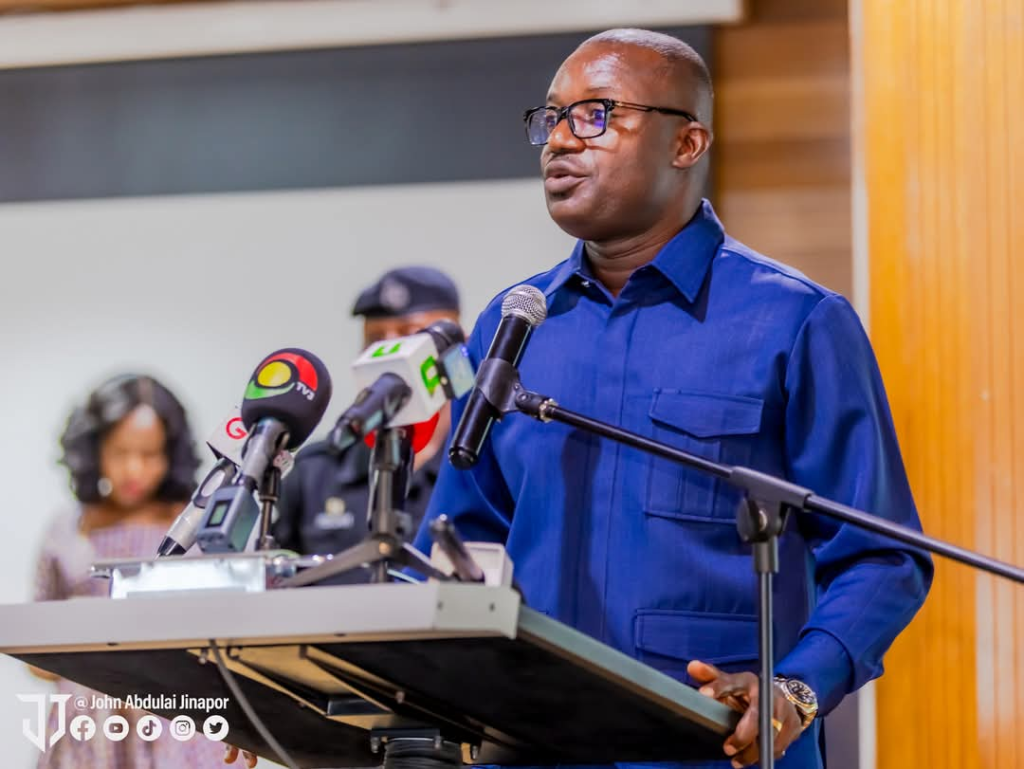
Speaking at the Future of Energy Conference 2025 in Accra, the Minister for Energy and Green Transition, John Jinapor, said the fund will provide vital financial support for renewable energy projects and green transition initiatives.
Mr. Jinapor highlighted ongoing government efforts to align Ghana’s energy policies with both national priorities and global climate goals.
“An energy transition framework to decarbonize our power and petroleum sector while maintaining energy security is underway. This includes scaling up renewables, clean cooking solutions, and green hydrogen studies. The renewable energy and green transition fund is designed to mobilize capital for low-carbon infrastructure and innovation, and I can confidently say that we have mobilized some very good resources. The issue of EVs is also being factored into this,” he noted.
The conference also raised key questions about the future of traditional fuel stations as the adoption of electric vehicles (EVs) accelerates across Africa.
Ben Boakye, Executive Director of the Africa Centre for Energy Policy (ACEP), observed:
“Twenty years ago, many still doubted whether electrification posed a real threat to the fossil fuel industry. Today, the evidence is undeniable. EV adoption is accelerating, efficiency data is robust, and the shift is real. Imagine this: in some countries, a single filling station can accommodate 50 cars at once. Will these stations become relics for the next generation? These are critical questions demanding clear and thoughtful answers.”
Adding a continental perspective, Rukaiya El Rufai, Special Adviser to the Nigerian President on NEC and Climate Change, urged other African nations to emulate Ghana’s approach.
“Africa must recognise the unstoppable nature of this transition and ramp up investments in clean energy. I am happy to hear about Ghana’s green energy fund. Other African countries must follow suit,” she said.
Organised by ACEP, the Future of Energy Conference (FEC 2025) was themed “Financing Africa’s Energy Future: Unlocking Investments for Energy Access and Economic Transformation.”
The event underscored the importance of international collaboration and innovative financing in addressing Africa’s energy challenges, while also positioning the continent as a key player in accelerating global clean energy progress.