

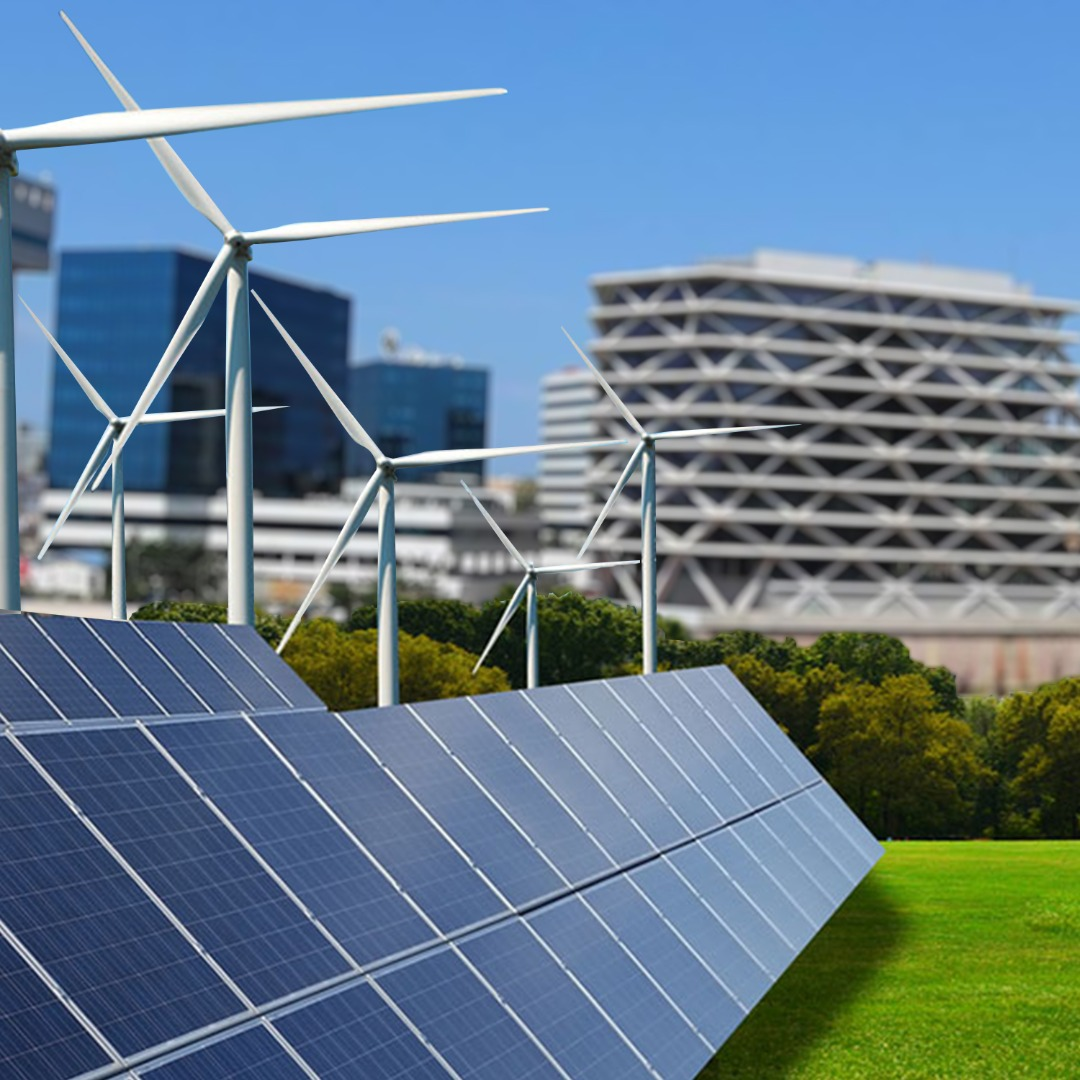
Africa is entering a decisive phase in its energy transformation, and Ghana is well-positioned to lead the charge. As demand for electricity grows alongside climate imperatives, the country faces the dual challenge of maximizing oil and gas resources while fast-tracking renewables and preparing for nuclear power all underpinned by stronger climate governance.
Ghana’s Energy Mix: Progress and Pressure Points
Currently, over 88% of Ghanaian households have access to electricity, yet supply reliability remains inconsistent. Hydropower and thermal plants account for more than 70% of generation, while oil and gas fields such as Jubilee, TEN, and Sankofa provide vital revenue and energy security.
However, dependence on fossil fuels exposes the economy to price shocks, high import costs, and rising greenhouse gas emissions. Renewables contribute barely 1% of installed capacity—far below the 10% target set for 2030.
Renewables: Unlocking Untapped Potential
Ghana’s solar potential is among the best in West Africa, averaging 5.5 kWh/m²/day, while coastal wind corridors and the Volta Region offer additional opportunities. The 50 MW Bui Solar Plant is a notable milestone, yet projects remain too small in scale.
Key barriers include high capital costs, weak grid integration, and regulatory hurdles. Addressing these challenges will require investor incentives, simplified permitting processes, and stronger public-private collaboration.
Nuclear Energy on the Horizon
Through the Ghana Nuclear Power Programme, the country is preparing to commission its first nuclear plant in the 2030s with support from the International Atomic Energy Agency (IAEA). Nuclear power could provide a stable, low-carbon baseload option to reduce oil and gas dependence, though it demands strict oversight, skilled workforce development, and sustainable waste management strategies.
New Climate Institutions Driving Transition
Since assuming office in January 2025, President John Dramani Mahama has introduced major reforms to strengthen Ghana’s climate and energy architecture.
- Ministry of Energy and Green Transition – Led by John Abdulai Jinapor, the new ministry is steering Ghana’s clean energy shift while safeguarding energy security.
- Office of the Minister of State for Climate Change and Sustainability – Headed by Issifu Seidu, this office ensures climate leadership at the presidency.
National Climate Hub– A partnership with the University of Ghana, designed as a one-stop centre for innovation and research-driven climate solutions.
- Global Engagement – In June 2025, Mahama joined the Board of the Global Center on Adaptation (GCA), cementing Ghana’s role in Africa’s adaptation financing and policy leadership. The Way Forward: Practical Steps for Ghana
- Scale up renewables to reach the 10% target by 2030.
- Channel oil and gas revenues into clean energy infrastructure.
- Mobilise global climate finance through Ghana’s new institutions.
- Invest in training and regulatory capacity for renewables and nuclear.
- Expand decentralised energy solutions such as rooftop solar.
- Deepen West African Power Pool integration to enhance cross-border trade.
Conclusion
Ghana is at a pivotal crossroads in Africa’s energy transition. With oil revenues still vital, renewables underdeveloped but promising, and nuclear power approaching, the country’s new climate institutions provide a pathway to a balanced and sustainable future.
If Ghana succeeds in aligning leadership, finance, and innovation, it can power not only its own green transition but also shape Africa’s broader low-carbon agenda.