

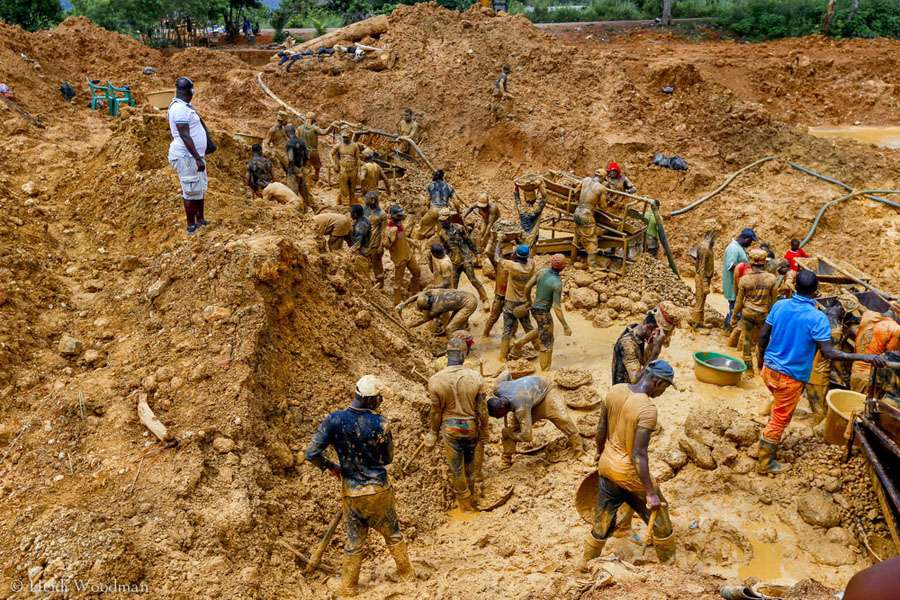
Kumasi, Ghana Genser Energy has raised alarm over growing threats posed by illegal mining activities popularly known as galamsey to Ghana’s national gas pipeline infrastructure. The Vice President of Operations at Genser Energy, Ing. Henry Abeiku Oppong, revealed that at least 50 communities in the Western and Ashanti regions where gas pipelines run are now considered high-risk zones due to intensified illegal mining activity.
Ing. Oppong made the disclosure in Kumasi during a seminar organized by the College of Engineering at the Kwame Nkrumah University of Science and Technology (KNUST), in collaboration with Genser Energy and The Brew-Hammond Energy Centre.
“These activities pose a significant risk not only to the affected communities but also to the country’s strategic energy infrastructure and national security,” Ing. Oppong stated.
The seminar forms part of a broader initiative by the College of Engineering to bridge the gap between academia and industry by facilitating engagements between students and leading industry professionals. The event, themed “Fueling Ghana’s Future: Engineering Excellence in Natural Gas Infrastructure Development,” provided engineering students especially women with insights into the current state and future prospects of Ghana’s natural gas infrastructure.
Genser Energy, a key player in the country’s gas infrastructure development, shared its roadmap for energy sustainability. According to Ing. Oppong, Ghana is on track to become self-sufficient in natural gas supply within the next year, thanks to a joint gas processing plant being constructed by Genser Energy and Ghana Gas. The facility, once operational, will produce up to 350 million standard cubic feet (scf) of gas per day, closing the current supply gap and meeting the country’s peak demand of 460 million scf.
However, he cautioned that this progress is under threat from the ongoing galamsey menace.
“Our 430-kilometre pipeline network is constantly under surveillance, but the magnitude of this illegal activity calls for urgent state intervention. Protecting this infrastructure must become a top national security priority,” he emphasized.
Director of The Brew-Hammond Energy Centre, Prof. David Quansah, noted that the event also celebrated the achievements of KNUST engineering alumni who are playing pivotal roles in the energy sector.
As Ghana continues to expand its natural gas infrastructure, stakeholders are calling on government agencies and security forces to take decisive action to safeguard these assets from illegal mining and other threats.