

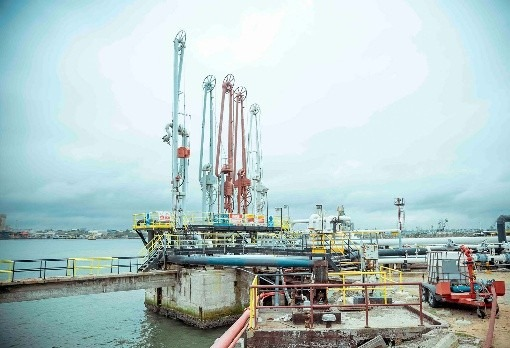
While exchange rate volatility and global oil prices often dominate discussions around fuel price hikes in Ghana, industry data reveals another critical factor — inadequate infrastructure in the downstream petroleum sector.
According to market analysts, inefficiencies in petroleum product storage and discharge facilities are creating hidden costs that are eventually passed on to consumers at the pump.
Price Build-Up and Cost Drivers
Fuel prices in Ghana are determined through the National Petroleum Authority’s (NPA) Price Build-Up (PBU) formula, which accounts for international prices, exchange rates, suppliers’ premiums, and conversion factors. Suppliers’ Premiums — covering costs such as discharge fees, storage, financing, demurrages, and sample analysis — significantly influence final pump prices.
Although Ghana has relatively low storage costs (about US$5/MT, the lowest in the sub-region due to oversupply of storage capacity), the real cost burden comes from high discharge fees and demurrages at the country’s limited mooring facilities.
Monopoly in Discharge Facilities
Ghana currently relies on four offshore discharge points: the Single Point Mooring (SPM) and Conventional Buoy Mooring (CBM) operated by Ghana Petroleum Mooring Services Ltd (GPMS), alongside the Tema and Takoradi Oil Jetties.
In 2016, government granted GPMS a 15-year exclusivity right over the SPM and CBM, effectively creating a monopoly. This allows GPMS to charge US$8/MT on discharge fees, far above the sub-regional average of US$5/MT. These fees are directly reflected in fuel prices.
With Ghana’s petroleum imports rising from 3.66mn mt in 2018 to over 5.20mn mt in 2024, congestion at these facilities has worsened, particularly with the shutdown of TOR’s refinery units increasing reliance on imports.
Rising Demurrage Costs
Due to congestion and limited berthing capacity, vessels importing fuel are often delayed for weeks. Reports indicate some ships wait over 30 days offshore, incurring monthly demurrages of US$1.5–2 million, amounting to roughly US$25 million annually. These costs are absorbed into pump prices.
Regional Competitiveness Declining
The higher discharge fees and inefficiencies are also undermining Ghana’s competitiveness as a petroleum transit hub. Exports and transits of petroleum products to landlocked countries such as Burkina Faso and Mali have dropped significantly, from 532,802 mt in 2016 to 314,234 mt in 2023.
Calls for Policy Review
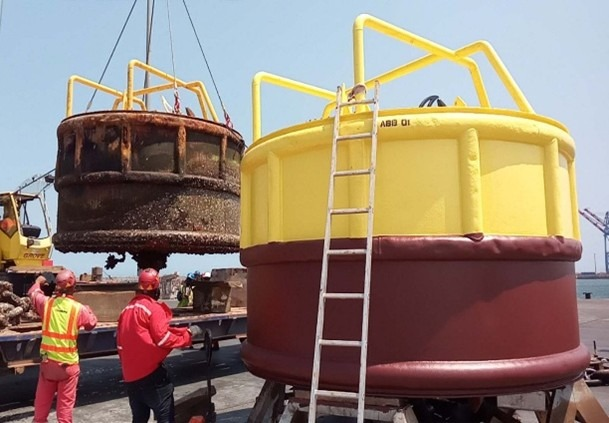
Industry stakeholders warn that the monopoly and lack of investment in new mooring facilities pose both economic and national security risks. Any prolonged breakdown at the CBM, for instance, could disrupt national fuel supplies given Ghana’s absence of strategic reserves.
Analysts are urging government to review GPMS’s exclusivity agreement and open the sector to new investments in discharge infrastructure. This, they argue, would enhance competition, reduce costs, and restore Ghana’s role as a petroleum transit hub in the sub-region.