

A recent report by the Institute for Statistical, Social, and Economic Research (ISSER) reveals that only 22% of households in Ghana relied on clean fuels in 2022, despite the existence of national policies aimed at promoting cleaner energy alternatives.
The report also highlighted stark disparities in clean fuel use based on wealth. While 18.5% of the wealthiest households use clean fuels, a mere 0.1% of the poorest households have access to these alternatives.
Additionally, the data shows a strong link between educational attainment and the adoption of clean fuels. In 2008, only 13.6% of Ghanaians used clean cooking fuels, but by 2022, this figure had risen to 28.7%. The urban-rural divide is also significant, with 42% of urban dwellers using clean energy compared to just 11.2% in rural areas.
The report underscores a notable regional divide as well, with southern urban areas such as Greater Accra and Ashanti leading in clean fuel adoption, while northern regions lag behind due to socio-economic challenges and infrastructural deficits.
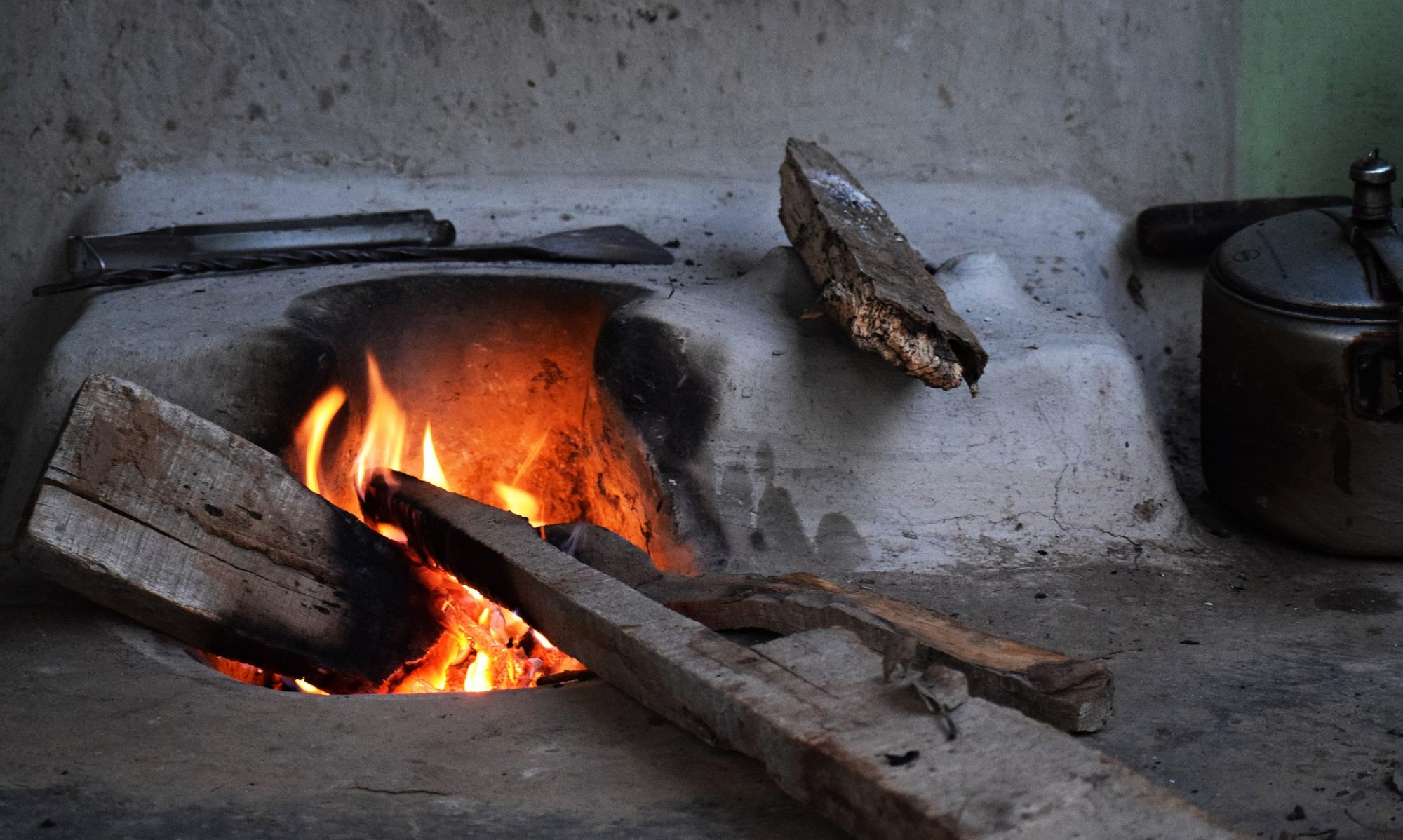
For rural households, which continue to rely on traditional fuels like wood and charcoal (88.8% of them), the health risks are severe. These households face higher incidences of respiratory diseases, cardiovascular problems, and adverse birth outcomes. Furthermore, the continued dependence on polluting fuels exacerbates environmental concerns, contributing to deforestation and increased greenhouse gas emissions.
Globally, the report highlights that around 2.6 billion people are still dependent on harmful cooking fuels like biomass, coal, and kerosene, underlining the urgent need for clean energy solutions worldwide.