
South Africa is currently the only country on the continent generating nuclear electricity. The first and second units of the Koeberg Nuclear Power Station with a combined electrical capacity of 1,854 MW were launched in 1984 and 1985, respectively.
Many African countries have expressed interest in developing nuclear power generation, but these plans are at different stages of implementation. Namibia, Togo, Burkina Faso, and other countries — nine in total — are at the earliest stage, Pre-phase 1.
Algeria, Ethiopia, Morocco, Niger, and several others — ten countries in total — have begun necessary discussions prior to deciding to launch a nuclear power deployment program. IAEA experts refer to this stage as Phase 1. Ghana, Kenya, and Nigeria are in Phase 2, preparing to sign contracts and begin construction after key decisions have been made.
Phase 3 means that activities related to implementing the first nuclear generation project are completed. Only one country in Africa — Egypt — is at this stage. Its activities in the nuclear sector are cited in the IAEA report as a success story.
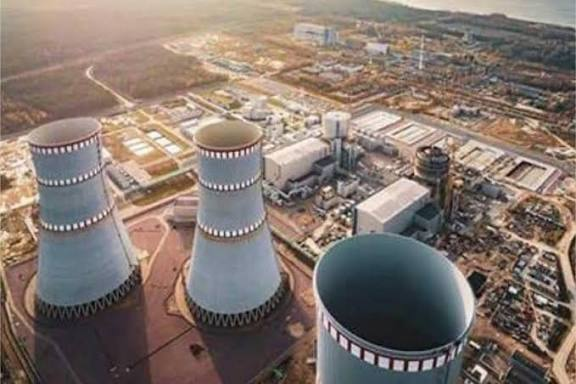
Egypt is the only country in Africa where a nuclear power plant is currently under construction. This is the four-unit El Dabaa Nuclear Power Plant with VVER-1200 reactors, being built by Rosatom. Upon completion, it will be the largest and most powerful nuclear power plant in Africa, with a total capacity of 4.8 GW. It is expected to meet about 10% of the country’s energy needs. The project has already created thousands of jobs, contributing to the development of nuclear science, engineering expertise, and workforce competencies in the country.
Egypt is cooperating with the IAEA as part of the El Dabaa construction project. The country has hosted several IAEA peer review missions, including the Integrated Nuclear Infrastructure Review (INIR) mission, a site and external events design (SEED) mission, and a technical safety review. The parties plan to conduct additional missions and activities before the first unit enters commercial operation.
Overall, the total power generation capacity in African countries is projected to increase by 47% by 2030 and nearly sevenfold by 2050, according to the report. In the optimistic scenario, nuclear generation capacity is expected to grow by more than three times by 2030 and over tenfold by 2050, compared to the total nuclear capacity in 2022. In the pessimistic scenario, nuclear capacity will approximately double by 2030 and increase fivefold by 2050 compared to the 2022 level. However, it should be understood that such high figures are a result of a low base effect.
By 2050, power generation capacity in Africa could grow nearly sevenfold, and nuclear generation capacity more than tenfold, according to the IAEA.
Challenges and solutions
The desire of African governments to deploy nuclear capacity faces a number of challenges of various kinds.
A technical challenge is that local power grids are unprepared to integrate large-capacity nuclear power plants. In the report, agency experts suggest considering small modular reactors (SMRs). “As nuclear technology evolves, African countries with small electrical grids or smaller economies can consider SMRs, as this technology promises smaller amounts of upfront capital, smaller electrical output and quicker deployment, which make the SMR technology ideal for most of these countries,” the report says