

Emmanuel Aboagye Wiafe
A groundbreaking report has revealed that Africa could save up to $5 trillion by fully transitioning to renewable energy by 2050 while dramatically improving energy access, solving persistent power shortages, and creating millions of jobs across the continent.
The study, released by Powershift Africa in collaboration with the University of Technology Sydney’s Institute for Sustainable Futures (UTS-ISF), found that a continent-wide shift to renewables could result in annual savings of approximately $150 billion, with total fuel cost savings surpassing $8 trillion by mid-century.
“Building a fully renewable energy system would cost significantly less than continuing with fossil fuels,” the organisations stated in a joint release. “The transition offers a rare opportunity to align climate action with economic growth and social development goals.”
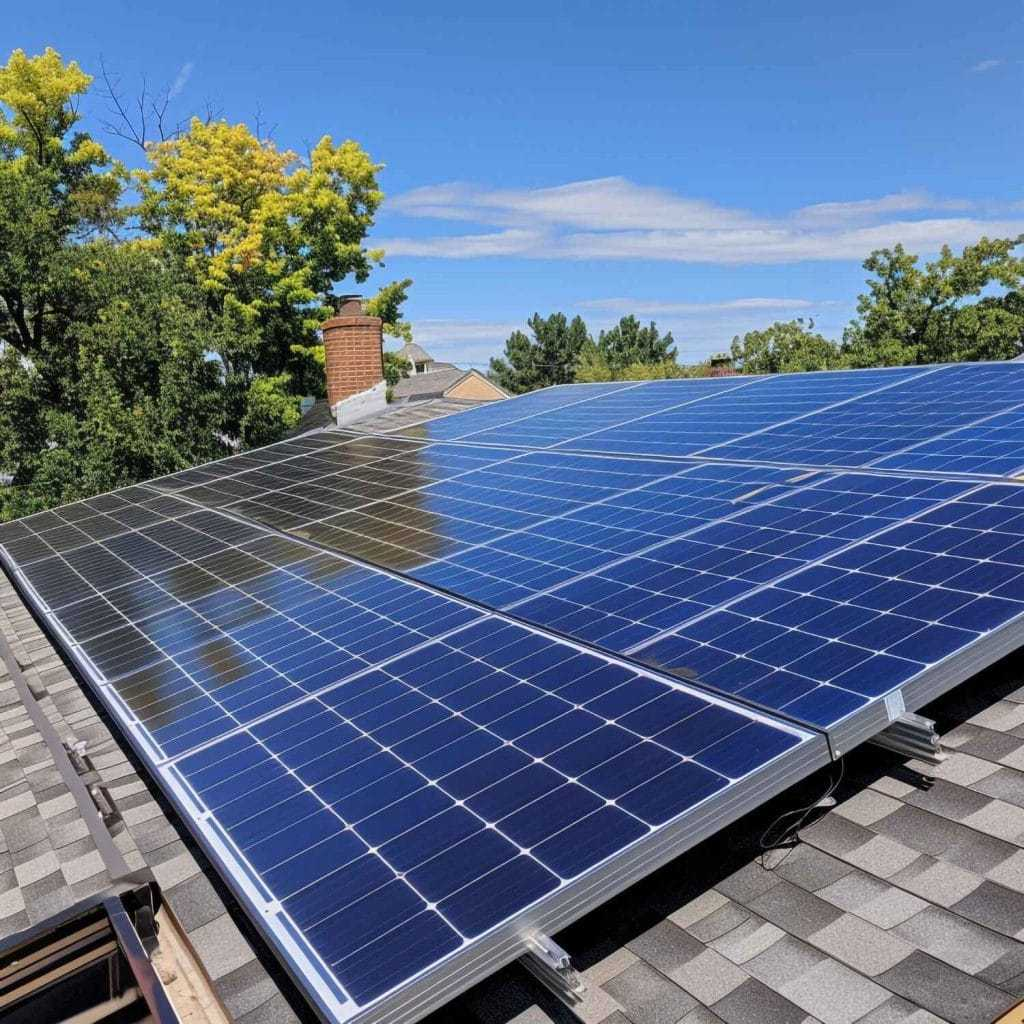
One of the report’s key findings is that solar energy alone could generate up to 480,000 GW, using less than 1% of Africa’s landmass for solar and wind infrastructure highlighting the immense potential of the continent’s natural resources.
Beyond the economic and environmental benefits, the research warns that Africa’s continued reliance on fossil fuels is perpetuating unsustainable debt cycles and energy insecurity. A clean energy shift, by contrast, could unlock 2.2 million new jobs in the energy sector and bolster long-term energy independence.
The report adds urgency to Africa’s energy discourse, positioning renewable energy not just as an environmental imperative but also as a transformative development strategy.