

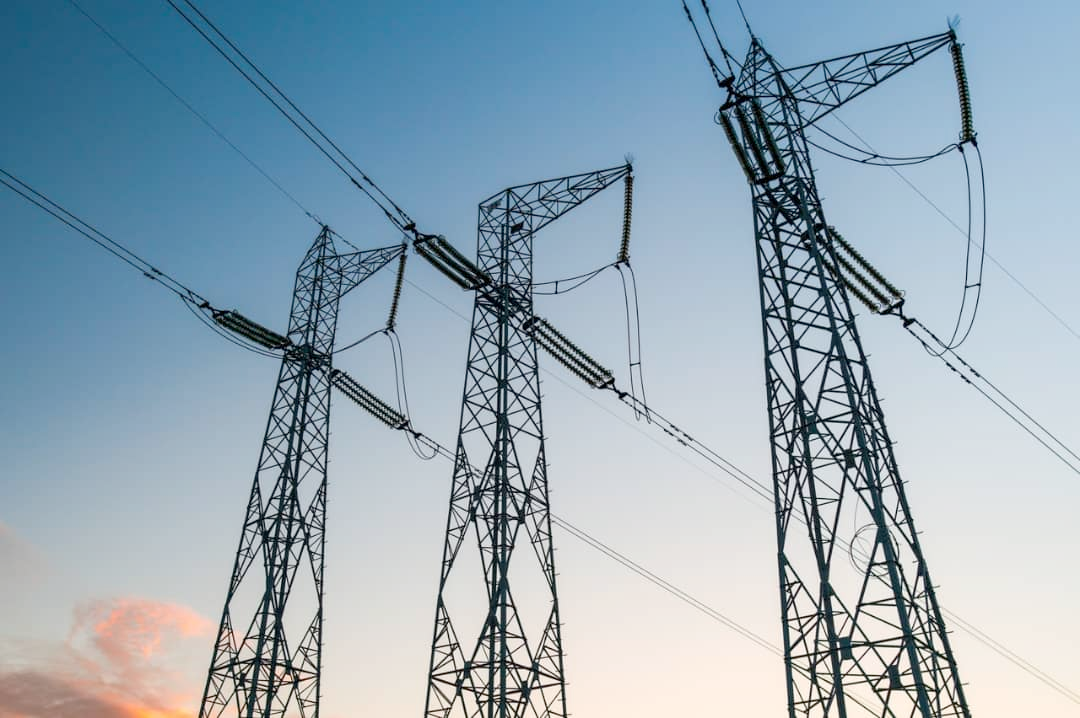
Electricity’s share of energy use in Sub-Saharan Africa’s (SSA) buildings sector is projected to rise modestly from 17 per cent to 19.2 per cent by 2034, driven largely by rapid urbanisation and rising household incomes, according to Fitch Solutions.
In its latest outlook, the UK-based research firm said major economies such as Nigeria, South Africa and Ghana will record strong absolute growth in electricity consumption over the next decade. Nigeria’s buildings sector electricity demand alone is forecast to expand by 28.9 per cent within the period.
Despite this growth, Fitch Solutions cautioned that persistent grid challenges will continue to constrain deeper electrification across the region.
“Frequent outages, high transmission and distribution losses, and slow grid investment are limiting further electrification, especially in peri-urban and rural areas,” the firm said.
It added that as SSA’s urbanisation rate is expected to exceed 40 per cent by 2034, demand for modern energy services — particularly cooling — will grow faster than improvements in grid reliability.
According to the report, without substantial investment in transmission and distribution infrastructure, electricity access gains will remain uneven, forcing many households to rely on alternative energy sources.
Bioenergy to remain dominant
Fitch Solutions noted that bioenergy will continue to dominate energy use in SSA’s buildings sector through 2034, despite gradual gains in electricity consumption.
“Traditional bioenergy is forecast to retain dominance in the buildings sector across SSA, accounting for nearly 69 per cent of total buildings energy use in 2034, down only slightly from 71 per cent in 2025,” it said.
Although its share is expected to decline marginally, overall bioenergy consumption is projected to increase by 8.6 per cent over the next decade, with Tanzania, Cameroon and Mozambique leading growth.
The report attributed the continued reliance on biomass to slow progress in rural electrification and limited access to modern fuels, particularly in highly populated countries such as Nigeria, Kenya and Ghana.
Fitch Solutions warned that unless power infrastructure investment accelerates significantly, traditional energy sources will continue to fill the gap in household energy needs across much of Sub-Saharan Africa.