

For Nigeria to attract investment in the renewable energy sector that will boost socioeconomic development, and aid transition to renewable energy, the country must remove all tax credits on fossil fuel.
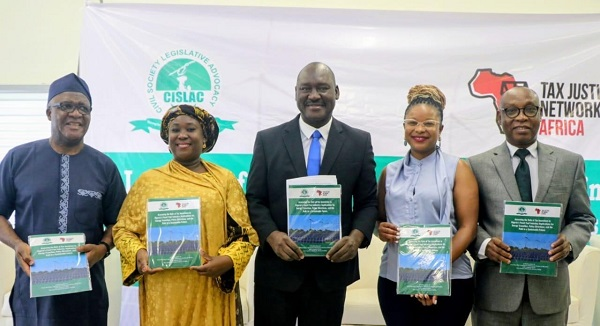
This was the position of the Civil Society Legislative Advocacy Centre (CISLAC), the Nigeria Extractive Industries Transparency Initiatives (NEITI) and other stakeholders at the launch of a report titled “Assessing the Role of Tax Incentives in Nigeria’s Fossil Fuel Industry: Implications for Energy Transition, Policy Direction and the Path to a Sustainable Future” in Abuja, yesterday.
Organised by CISLAC, the forum decried the abuse of the tax incentives in the fossil fuel imdustry, noting how benefitting firms failed to do impactful developmental projects despite the billions they saved from tax holidays.
In his welcome address, Executive Director of CISLAC, Auwal Musa Rafsajani, commended Nigeria for showing commitment to reversing the devastating impacts of climate change by establishing institutions such as the Energy Transition Office and adopting the Energy Transition Plan.
He argued that continued incentives for fossil fuel investments contradict the country’s net-zero emission target, noting that expanding investments in oil while providing tax reliefs to fossil operators undermined efforts toward building a sustainable green economy. He stressed that government fiscal regimes were powerful tools that can either accelerate or hinder the nation’s energy transition, adding that maintaining incentives for fossil fuel production entrenches dependence on carbon-based energy sources, putting Nigeria’s 2060 net-zero emission goal at risk. He urged policymakers to realign fiscal policies to discourage fossil fuel expansion and promote clean, renewable energy sources.
The CISLAC boss explained that the report, developed through extensive desk reviews of laws, fiscal instruments, and international policy literature, critically examines how tax incentives sustain the fossil fuel sector and distort energy transition objectives. He said the study situates Nigeria’s approach within the global context, where many countries are phasing out fossil fuel subsidies in favor of renewable energy investments.
Rafsanjani emphasized that the report recommended a recalibration of Nigeria’s fiscal policies to support a just and inclusive energy transition.
The proposed reforms include phasing out fossil fuel tax incentives, improving tax expenditure reporting and accountability, and mobilizing domestic resources to fund renewable energy projects. It also calls for international collaboration in securing climate finance and technical support for economies reliant on fossil fuels.
The CISLAC boss explained that the report, developed through extensive desk reviews of laws, fiscal instruments, and international policy literature, critically examines how tax incentives sustain the fossil fuel sector and distort energy transition objectives. He said the study situates Nigeria’s approach within the global context, where many countries are phasing out fossil fuel subsidies in favor of renewable energy investments.
Rafsanjani emphasized that the report recommended a recalibration of Nigeria’s fiscal policies to support a just and inclusive energy transition.
The proposed reforms include phasing out fossil fuel tax incentives, improving tax expenditure reporting and accountability, and mobilizing domestic resources to fund renewable energy projects. It also calls for international collaboration in securing climate finance and technical support for economies reliant on fossil fuels.