

Tanzania is preparing to finalize an agreement to import electricity via Kenya’s grid, primarily from Ethiopia, through the newly completed Isinya–Singida interconnector. The deal addresses persistent power shortages in Tanzania’s Northern Zone, reduces transmission losses, and leverages cheaper Ethiopian hydroelectricity.
The interconnector, energized in December 2024, has enabled a successful trial of 50 MW flow from Ethiopia through Kenya to Tanzania, paving the way for a long‑term wheeling arrangement within the Eastern Africa Power Pool (EAPP).
Latest Developments & Deal Confirmation
Kenya and Tanzania have started cross‑border electricity trade. The Isinya–Singida 400 kV interconnector went live on December 11, 2024, enabling bilateral energy exchange. Subsequently, a successful trial was conducted on June 30, 2025, where 50 MW of power from Ethiopia was wheeled through Kenya into Tanzania’s grid, increasing load in Kenya from 225 MW to 262 MW.
Tanzanian officials confirmed that finalization of a formal power‑import agreement with Kenya is imminent, allowing regular imports as needed and laying the groundwork for possible future exports when surplus generation is available.
Why Tanzania Is Importing Power
Northern Tanzania, including regions like Arusha, has suffered frequent blackouts. Losses from internally transmitting power from central/northern plants exceed KSh 32 billion annually. Despite abundant national generation , including the 2,115 MW Julius Nyerere Hydropower Plant plus roughly 1,694 MW installed capacity elsewhere , transmission inefficiencies leave parts of the country under‑served.
Importing electricity from Ethiopia via Kenya offers lower costs, reduced grid losses, and faster stabilization of supply to critical northern markets.
The Isinya–Singida Interconnector
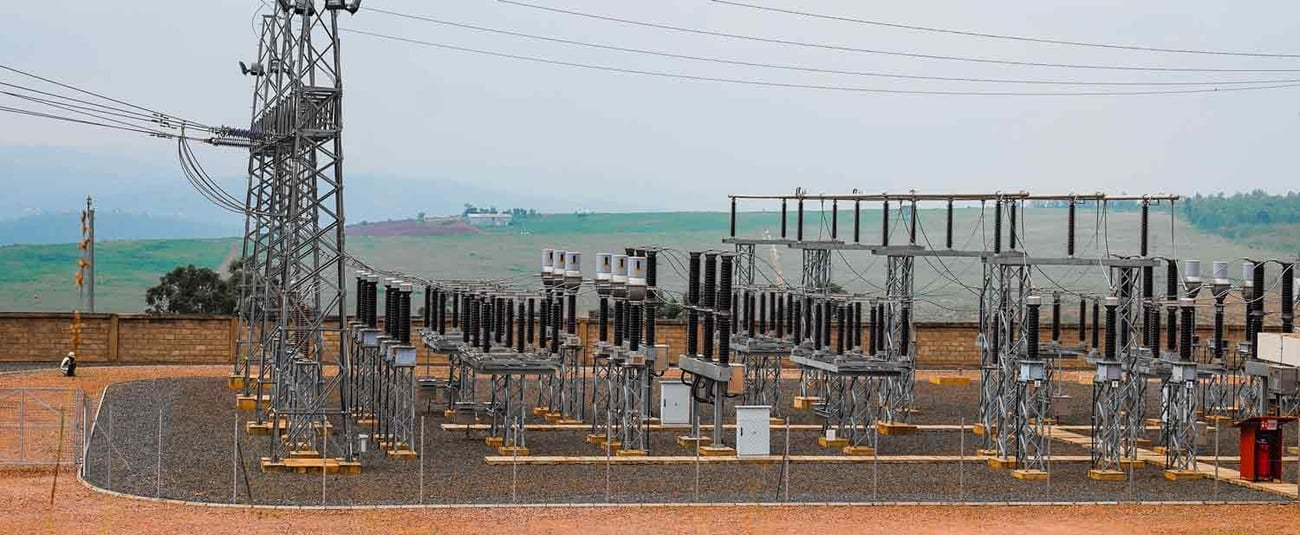
The 507–510 km 400 kV line connects Kenya’s Isinya substation to Tanzania’s Singida, passing through Namanga and Arusha. Kenya built about 96–93 km, Tanzania about 414 km. Total investment cost was approximately US $309 million, co‑financed by Kenya, the Tanzanian state, and the African Development Bank.
The project is part of the Eastern Electricity Highway, aiming to integrate power systems across EAPP countries.