

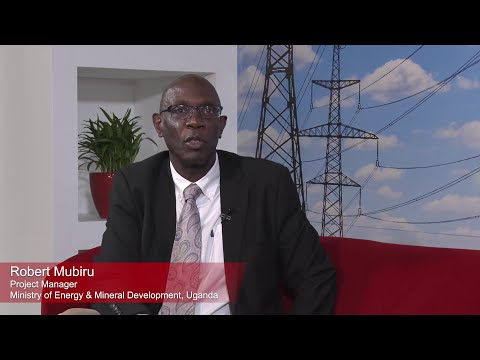
Uganda is turning to innovative and flexible financing models to scale up electricity access, in response to rising public debt and changing consumer demand. The country is leveraging public-private partnerships (PPPs), blended finance, and regional collaboration to achieve universal energy access by 2040, reduce reliance on state borrowing, and stimulate inclusive economic growth.
Facing a public debt stock nearing 50% of GDP and high infrastructure financing needs, Uganda is rethinking how it funds energy projects. The government is now prioritizing private capital mobilization, donor partnerships, and performance-based financing models to reduce fiscal pressure and accelerate electricity connections.
Key recent moves include:
Blended finance schemes combining donor grants with private equity
Expanding the GET FiT program to incentivize private-sector renewable energy developers
Bundling small-scale grid and off-grid projects to increase investor interest
Promoting regional power trade via the Eastern Africa Power Pool (EAPP)
These strategies aim to bridge the current electricity access gap, which sits at around 57% in urban areas and only 19% in rural regions, according to the Uganda Bureau of Statistics (UBOS, 2024).
Why the Shift? Mounting Debt, Low Returns on Traditional Projects
Uganda’s previous model, state-funded mega-dams and grid expansion projects, has delivered mixed results. While generation capacity increased significantly (e.g., Karuma Dam adding 600MW in 2024), uptake and distribution lagged. The Energy Ministry revealed that more than 30% of available power goes unused, largely due to poor grid penetration, low consumer affordability, and inadequate last-mile connections.
Meanwhile, Uganda’s public debt hit UGX 90 trillion (approx. $24 billion) by mid-2025, raising sustainability concerns and drawing scrutiny from the IMF and domestic watchdogs.
To keep up with growing electricity demand, projected to rise by 10% annually, without incurring unsustainable borrowing, Uganda is now unlocking new financing avenues that emphasize decentralized energy, private-sector engagement, and smart subsidies.
Uganda’s new approach involves several non-traditional financing mechanisms:
Tariff structure misalignment: Uganda’s electricity tariffs remain unaffordable for many, discouraging uptake and slowing return on investment for private firms.
Delayed payments and bureaucracy: Some developers report long wait times for subsidy disbursement or grid integration approvals.
Weak consumer credit ecosystem: PAYG systems are constrained by limited mobile money penetration and financial literacy in rural regions.
To address these, Uganda is working on:
Revising its Electricity Act to clarify licensing and ease project approvals
Establishing credit guarantees and risk-sharing facilities for energy lenders
Digitizing energy subsidy systems using national ID and mobile platforms in
Post navigation
