

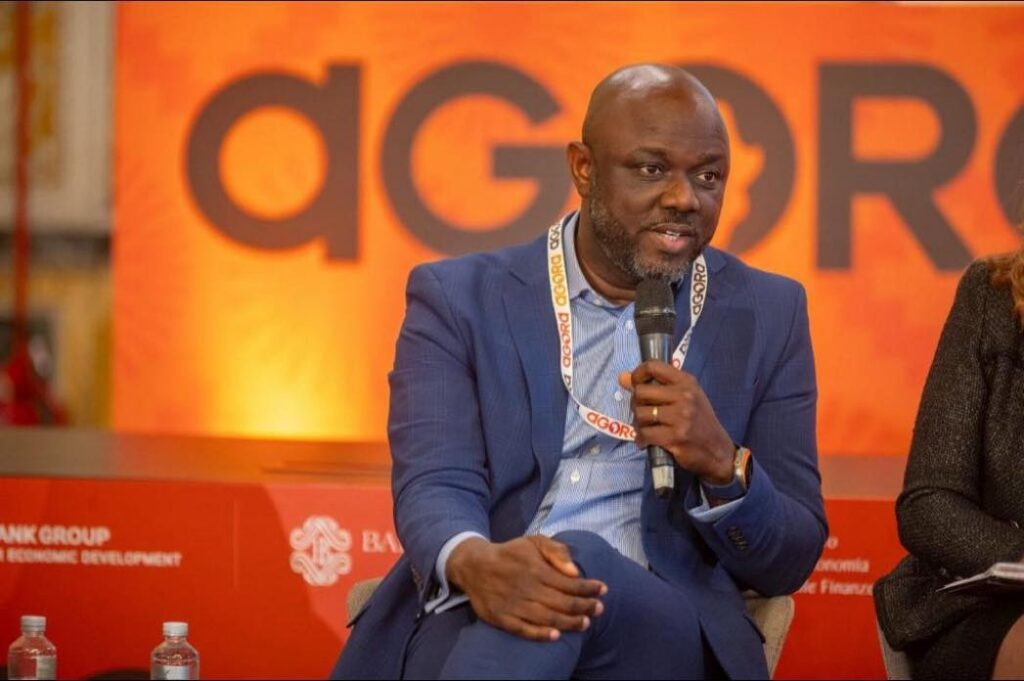
The Executive Director of the Africa Centre for Energy Policy, Benjamin Boakye, has called for a comprehensive upgrade of Ghana’s aging power infrastructure to strengthen energy resilience and prevent recurring system failures.
According to him, the country’s ability to maintain a stable and reliable power supply is closely tied to resolving financial challenges within the energy sector. He stressed that without addressing liquidity constraints, the sector will struggle to fund critical maintenance, modernisation, and capacity expansion efforts.
Mr. Boakye noted that much of Ghana’s power infrastructure dates back to the 1960s and has become increasingly vulnerable to faults and disruptions due to years of underinvestment and delayed upgrades.
He warned that while newer substations such as those at Pokuasi and Kasoa reflect modern engineering standards, older installations remain exposed due to the absence of advanced safety systems and proactive maintenance regimes.
The energy policy expert explained that modern substations are equipped with technologies such as heat sensors, thermal cameras, and automatic shutdown systems, which enable early detection and rapid response to potential hazards. In contrast, legacy infrastructure lacks these safeguards, increasing the risk of major outages.
Mr. Boakye emphasised that upgrading the grid is not merely a technical exercise but a critical requirement for ensuring long-term power stability. He added that replacing outdated components such as cables, switches, and insulation would significantly improve the grid’s ability to manage demand fluctuations and reduce unplanned power interruptions.
He further highlighted the importance of integrating advanced fire detection and suppression systems, including automated extinguishing mechanisms within electrical panels, to minimise the risk of infrastructure damage.
The ACEP Director also stressed the need for a shift toward proactive risk management, urging stakeholders to adopt a culture of anticipation rather than reaction in addressing operational threats within the power sector.
He called for stronger financial discipline and investment in infrastructure, noting that building a resilient energy system requires adequate funding, strategic planning, and the consistent application of modern safety standards across both new and existing facilities.
Mr. Boakye concluded that without urgent and coordinated action, Ghana risks continued instability in its power supply, which could undermine economic growth and national development.
Leave a Reply