


Ghana and Russia are seeking to deepen cooperation in the energy sector, with both countries exploring opportunities in nuclear energy, mining and fertiliser production as part of a broader effort to expand bilateral relations that have seen trade surge to more than US$800 million in recent years.
The renewed focus on energy cooperation comes as Ghana intensifies efforts to diversify its energy mix, strengthen energy security and attract strategic investment into key sectors of the economy.
While discussions also cover education, digitalisation, agriculture and mining, energy emerged as one of the central pillars of the next phase of engagement between the two countries.
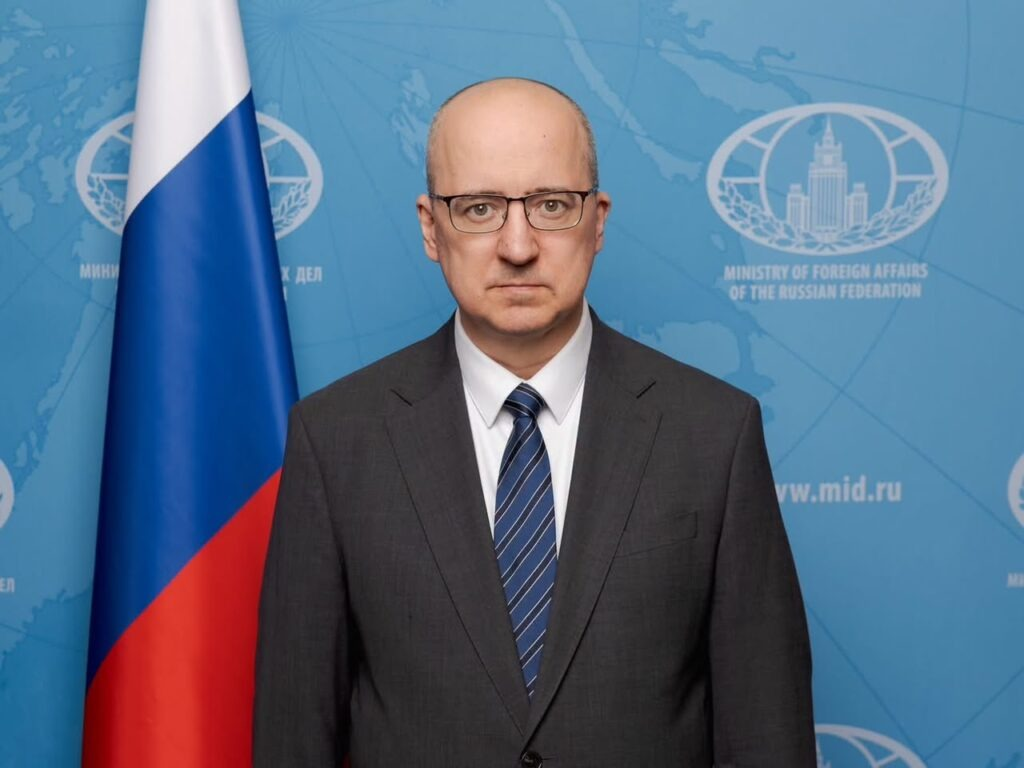
In an interview published on the official social media platform of the Russian Embassy in Ghana, Russia’s Ambassador to Ghana, H.E. Andrei Ordash, outlined areas where Moscow believes collaboration could be expanded, including civil nuclear energy through Russia’s state nuclear corporation, Rosatom.
The discussions come ahead of the Third Russia-Africa Summit, scheduled for October this year in Moscow, where energy, infrastructure financing, technology transfer and industrial partnerships are expected to feature prominently on the agenda.
Energy Cooperation Takes Centre Stage
The Ambassador revealed that a memorandum of understanding has already been signed between the Ghana Atomic Energy Commission and Rosatom, creating the framework for future collaboration in Ghana’s nuclear energy ambitions.
In the energy sector, a memorandum of understanding has been signed between the Ghana Atomic Energy Commission and Rosatom, laying the groundwork for potential future cooperation. Ambassador Ordash assured
Although he did not provide further details on the scope or timeline of the cooperation, the agreement represents another step in Ghana’s long-term plan to diversify its electricity generation mix beyond conventional thermal and hydro sources.
Successive governments have identified nuclear energy as part of Ghana’s long-term energy strategy, arguing that dependable baseload power will be required to support industrialisation, population growth and future electricity demand.
Russia, through Rosatom, has become one of the world’s leading exporters of nuclear technology, with projects across Africa, Asia and the Middle East.
The latest discussions therefore position Russia as one of the international partners expressing interest in supporting Ghana’s long-term energy transition agenda.
The renewed engagement reflects the rapid expansion of economic relations between the two countries.
According to Ambassador Ordash, bilateral trade has risen significantly over the past two years.
Technology and Industrial Development
Beyond conventional energy cooperation, Russia is proposing collaboration in several technology-driven sectors that could complement Ghana’s industrial transformation agenda.
According to Ambassador Ordash, Russia is prepared to share expertise in artificial intelligence, cybersecurity, digital healthcare, digital public services and smart city technologies.
Looking Ahead to the Russia-Africa Summit
The Ambassador described Ghana as one of Russia’s trusted partners in West Africa and confirmed that preparations are underway for the Third Russia-Africa Summit, which will take place in Moscow on 28–29 October 2026.
According to him, the summit is expected to adopt a new Partnership Forum Action Plan for 2027–2029, alongside several cooperation agreements.
He stressed that future cooperation should increasingly focus on practical investments rather than trade alone.
For Ghana, the discussions reflect another opportunity to diversify strategic partnerships at a time when the country is pursuing investment across energy infrastructure, mining, industrial processing and technology-driven development.
While many of the proposals remain at the cooperation stage, the emphasis on energy, industrial production and technology transfer underscores the growing importance of Ghana within Russia’s broader engagement strategy across Africa.