
MONROVIA, LIBERIA
The Liberia Petroleum Refinery Company (LPRC) has announced plans to strengthen Liberia’s petroleum storage capacity and position the country as a regional hub for petroleum products.
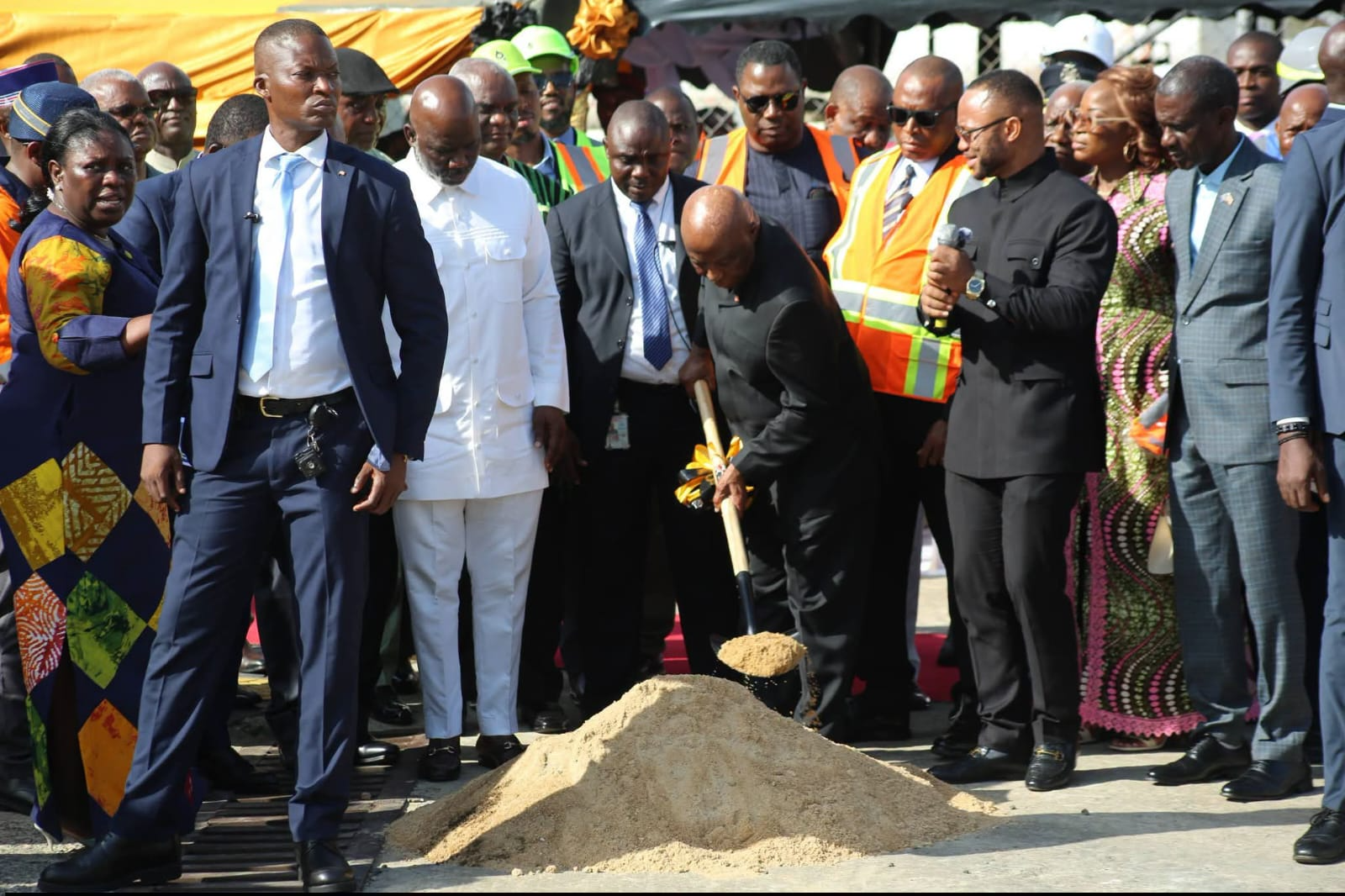
The announcement was made by the company’s Managing Director, Amos B. Tweh, who spoke during the dedication of the newly constructed petroleum testing laboratory and the groundbreaking ceremony for a 50,000-metric-ton storage facility.
The ceremony was attended by President Joseph Nyuma Boakai.
In an address the Managing Director of LPRC Amos Tweh described the project as a bold, ambitious and forward-looking investment designed to enhance the country’s petroleum infrastructure and strengthen its capacity to manage petroleum products.
He said the proposed storage facility will have three major components, including 20,000 metric tons for Automotive Gas Oil (AGO), commonly known as diesel; 25,000 metric tons for Premium Motor Spirit (PMS), or gasoline; and 5,000 metric tons for Jet A-1, which he said represents a future prospect for Liberia’s aviation sector.
According to Mr Tweh, the project will also involve land reclamation to expand the facility’s storage capacity.
He explained that approximately 15 metres of land will be reclaimed from the sea to support the development and ensure the project reaches its intended capacity.
The LPRC Managing Director further noted that the facility is will improve the company’s backloading capacity, including the handling, supply and storage of petroleum products from vessels.
He said the initiative is designed to create a more efficient petroleum supply chain and improve Liberia’s capacity to receive and store petroleum products.
Mr. Tweh expressed confidence that, when completed, the facility could position Liberia as a regional petroleum storage hub, serving neighbouring countries and contributing to economic growth.
He emphasized that Liberia has the capacity to undertake major petroleum infrastructure projects, adding that Liberia should not be left behind when other nations in the region are advancing similar developments.
The project forms part of broader efforts to modernize Liberia’s petroleum sector, strengthen energy security and expand the country’s infrastructure for future regional trade.
Leave a Reply