
By Jeremiah Aderibigbe | Energy Crossroad
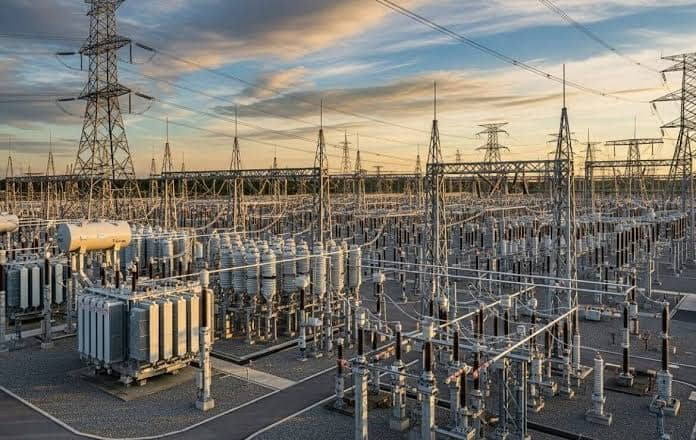
Nigeria’s electricity supply crisis has intensified following a sharp decline in national grid generation to approximately 3,180 megawatts (MW), leaving the country’s 11 electricity distribution companies (DisCos) with a combined allocation of just 2,885MW.
The development has raised fresh concerns over the stability of the country’s electricity sector, with households, businesses and industries facing renewed uncertainty over power supply.
Data obtained from the Nigerian Independent System Operator (NISO) showed that electricity generation, which stood at 3,743MW around midnight on November 18, 2026, dropped to 3,179MW by 6 a.m. before recovering marginally to 3,180MW by 6 p.m. on November 19.
The decline occurred despite approximately 21 generating companies operating on the national grid, highlighting persistent operational challenges across Nigeria’s electricity generation chain.
According to NISO’s Distribution Load Profile published on November 18, Abuja Electricity Distribution Company received the highest allocation of 551MW, followed by Ikeja Electric with 366MW, Ibadan Electricity Distribution Company with 340MW and Eko Electricity Distribution Company with 339MW.
Port Harcourt received 279MW, Benin 230MW, Enugu 220MW, Kano 173MW, Kaduna 167MW and Jos 146MW, while Yola received the lowest allocation of 74MW.
Industry concerns have increasingly centred on inadequate gas supply to thermal power stations, reduced water inflows into hydroelectric reservoirs, transmission infrastructure limitations and unresolved operational and financial challenges affecting generating companies.
While the Nigerian Independent System Operator has previously identified gas supply constraints as a major factor behind declining generation, concerns remain over the broader structural weaknesses affecting electricity production and delivery.
The latest development also comes amid growing public dissatisfaction over electricity tariffs and the inability of distribution companies to consistently meet promised service levels.
Meanwhile, the House of Representatives Ad-hoc Committee on Power Sector Reform is expected to present its findings to lawmakers following investigations into the implementation of the Service-Based Tariff System and the classification of electricity consumers into Bands A to E.
The committee has reportedly concluded consultations with relevant regulatory agencies, generation companies, distribution companies and other stakeholders, including engagements in Lagos and Rivers states.
For millions of Nigerian electricity consumers, the central concern remains the widening gap between electricity costs and the quality of supply.
Leave a Reply