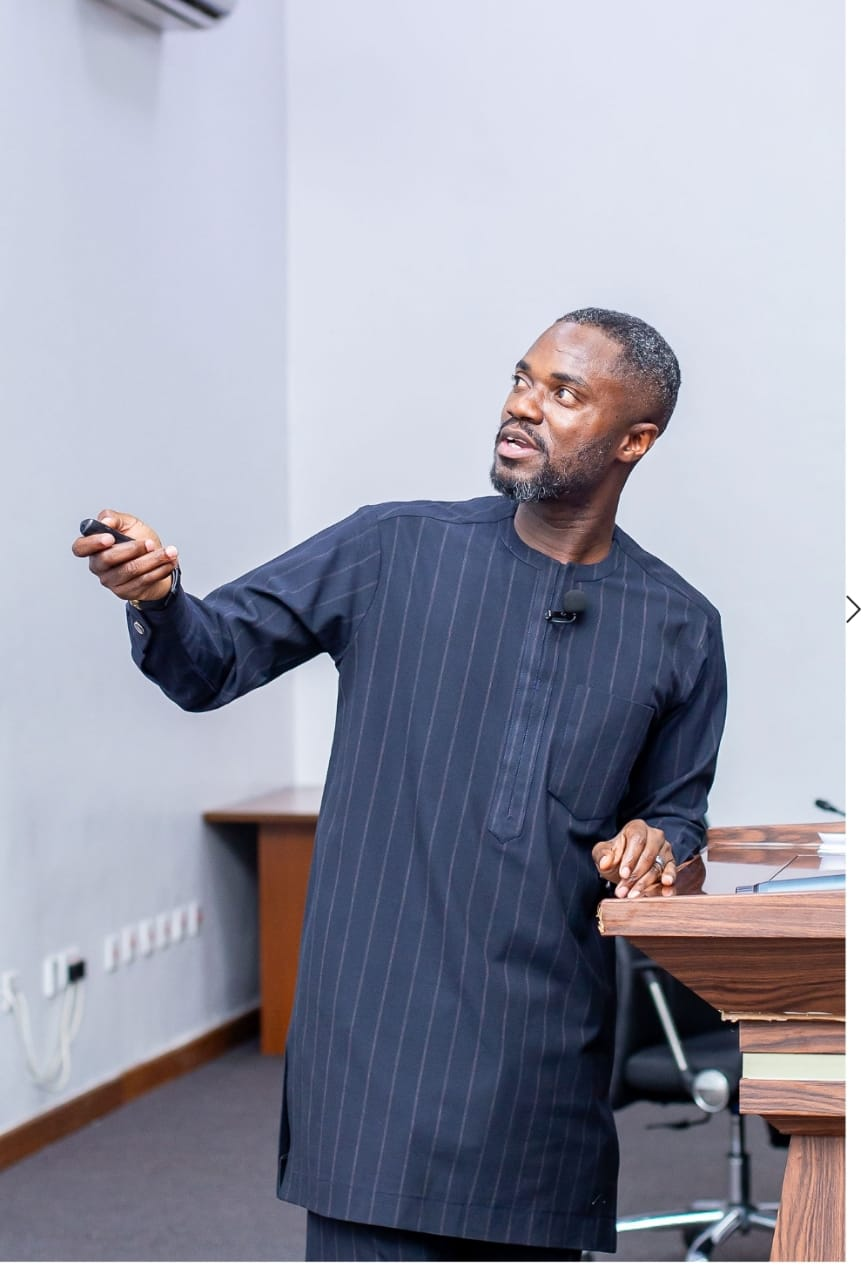
The Chief Executive Officer of the Chamber of Oil Marketing Companies (COMAC), Dr. Riverson Oppong, has assured Ghanaians of continued stability in the supply of petroleum products despite escalating tensions involving Iran, Israel, and the United States in the Gulf region. Speaking on State of Affairs on GHOne TV, Dr. Oppong downplayed the potential impact of the conflict on Ghana’s downstream petroleum sector, stressing that the country’s fuel supply sources remain largely diversified and secure. According to him, Ghana predominantly sources its petroleum products from the western energy corridor, including Europe and the United States, as well as the Dangote Refinery in Nigeria, reducing heavy reliance on the Gulf region. “Today, supply security in Ghana is not an issue, though emerging trends in the western corridor could pose risks in the future,” he stated. He contrasted Ghana’s situation with countries such as India, Pakistan, and Australia, which he noted are experiencing supply challenges and rising fuel prices due to heavy dependence on Gulf-based supplies. Dr. Oppong further disclosed that Ghana currently holds sufficient fuel reserves that could last between five and seven weeks, as projected earlier by the National Petroleum Authority (NPA). He explained that with storage facilities adequately stocked, the country could sustain consumption for up to eight weeks without new supply. He added that local production from the Tema Oil Refinery (TOR) and the Sentuo Refinery contributes about 30 percent of total petroleum stock, strengthening supply reliability. “We are not static with what we have. There are vessels lined up to offload, and Bulk Oil Distribution Companies have secured supply deals for the next two months,” he said. Despite the positive outlook, Dr. Oppong raised concerns about Africa’s continued reliance on imported refined petroleum products. He noted that the continent exports over 85 percent of its crude oil, only to import finished products such as LPG, diesel, and petrol into the system. He also highlighted inefficiencies within the refinery value chain, citing inconsistent refining volumes and policy uncertainty as factors discouraging major international oil companies. According to him, Ghana has the potential to refine a greater share of its crude oil resources, including its carried interest in oil blocks, if there is improved discipline and consistency in policy implementation. He pointed out that major global traders such as BP, Trafigura, and Vitol rely on vertically integrated oil giants like Chevron and Eni, which combine exploration and refining capabilities an approach Ghana could emulate to maximize value from its petroleum sector