


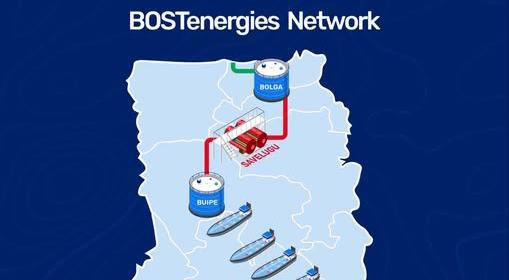
Rising fuel prices continue to place significant pressure on households, transport operators, businesses, and the broader Ghanaian economy. Although BOSTenergies does not determine retail fuel prices under Ghana’s deregulated petroleum pricing regime, the state-owned bulk oil storage and distribution company says it is implementing measures to help mitigate the impact of global market volatility on consumers.
According to the company, one of its key interventions is reducing fuel distribution costs through strategic investments in pipelines, bulk transportation systems, and storage infrastructure. These investments are designed to improve the efficiency of fuel movement while lowering costs compared with road transport.
BOSTenergies also maintains strategic petroleum reserves to help prevent fuel shortages that could trigger panic buying and further increases in pump prices. The company says its nationwide network of storage depots enables more efficient fuel distribution, helping to minimise supply disruptions and reduce transportation costs, particularly to remote parts of the country.
In addition, the company says it continues to strengthen Ghana’s energy security by maintaining critical petroleum infrastructure and ensuring the uninterrupted availability of fuel, particularly during periods of global oil price volatility and fluctuations in foreign exchange rates.
While acknowledging that international crude oil prices and currency movements remain beyond Ghana’s control, BOSTenergies says its management and staff are committed to operating within their mandate to cushion the country against external shocks affecting the petroleum sector.
The company also highlighted the leadership of its Managing Director, Afetsi Awoonor, crediting him and his management team with providing the strategic direction that has enhanced BOSTenergies’ operational resilience and strengthened its capacity to support the nation’s energy security