


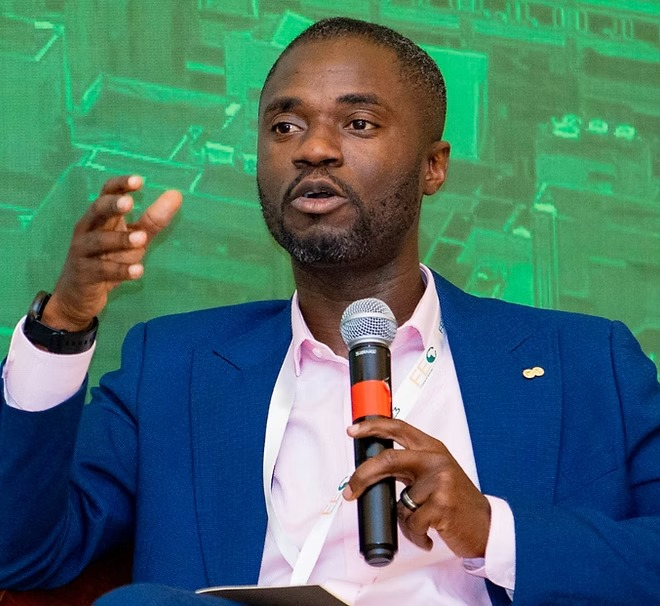
The Chief Executive Officer of the Chamber of Oil Marketing Companies (COMAC), Dr Riverson Oppong, has suggested that the government could temporarily suspend the additional GH¢1 Energy Sector Levy component to cushion transport operators facing rising fuel prices.Dr Oppong said such an intervention could help reduce pressure on drivers and prevent the immediate transfer of increased fuel costs to commuters through higher transport fares.His comments follow demands by transport unions, including the Ghana Private Road Transport Union (GPRTU), for a possible 30 percent increase in fares due to rising fuel prices and operational costs.
Speaking on the Asaase Breakfast Show on Tuesday (28 July), Dr Oppong said while he was not responsible for government policy decisions, a temporary suspension of the additional levy could provide relief.“In my personal logical understanding and opinion, I would advise the government to take that extra once it was added to cushioning the transporters. At least you meet them halfway,” he said.
He argued that when market conditions improve, the levy could be restored without significant opposition.“When things become normal, you can bring it back. Nobody will be against it,” he added.However, Dr Oppong questioned the basis for the GPRTU’s proposed 30 percent fare increase, saying he was unsure how the figure was calculated.“I don’t know how they call it, the 30 percent. I’m not a driver. I have no idea how they extrapolated that figure,” he said.He warned that the current fuel price increase could be temporary, depending on developments in the international market.According to him, recent fluctuations in crude oil prices show that fuel costs can rise and fall within short periods, making permanent fare adjustments difficult to justify.“If you look at this and increase fares, you’re not going to be fair because it is going to go down.
For the past two months, we’ve seen prices go up and down,” he said.Dr Oppong said the current situation was not caused by any African government but rather by global developments, including geopolitical tensions.He urged stakeholders to consider temporary measures while monitoring international market trends.“If nothing happens, if Israel, US, Iran don’t have any peace agreement within the next couple of months, then whatever price you see today will be a continuous price for that time,” he said.