


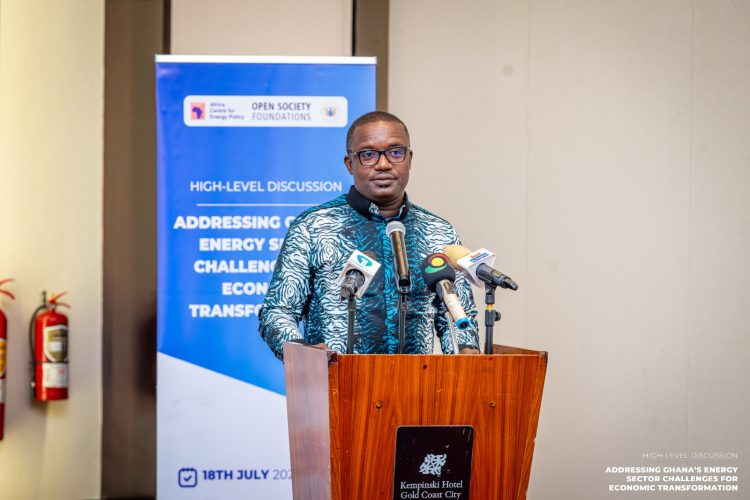
A strategic high-level dialogue convened by the Africa Centre for Energy Policy (ACEP), in partnership with the Open Society Foundations (OSF) and the Ministry of Energy and Green Transition, has spotlighted the deep-rooted structural inefficiencies plaguing Ghana’s energy sector inefficiencies that are costing the economy an estimated 2% of GDP annually. This figure represents nearly four times the country’s yearly capital investment in infrastructure, raising major concerns about long-term economic sustainability.
The dialogue brought together key policymakers, experts, and development partners to assess the fiscal and operational strains within the sector, while advancing pathways toward a more sustainable and equitable energy future. Stakeholders at the meeting stressed the urgent need to curb under-recoveries and operational losses, which continue to drain public finances and limit Ghana’s capacity to invest in critical development priorities.
The forum acknowledged current government interventions such as the renegotiation of Independent Power Producer (IPP) contracts, promotion of private sector involvement in power distribution, and steps toward green energy adoption and improved procurement governance. These initiatives, participants noted, are essential to recalibrating the energy sector toward efficiency, accountability, and long-term resilience.
Discussions also highlighted the transformative potential of a reformed energy sector—both in catalyzing economic growth and enabling Ghana’s just transition to a low-carbon economy. Attendees underscored the need for a diversified energy mix, stronger focus on renewable energy, and inclusive policies that embed gender equality and climate justice in reform agendas.
The dialogue ended with a strong consensus on the necessity of multi-stakeholder collaboration. Government institutions, private investors, civil society, donors, and philanthropic organisations were all urged to play an active role in supporting reforms through transparent, coordinated, and sustained action to reshape the energy landscape for the collective good of Ghanaians.
