

Cape Town and other South African cities frequently experience planned power outages lasting several hours, often stretching to 8–10 hours, as municipalities conduct critical infrastructure maintenance. While these interruptions can be frustrating, they play a vital role in safeguarding the stability of the local grid and preventing larger unplanned blackouts.
Planned outages differ fundamentally from loadshedding. Loadshedding is a national demand-management tool triggered by Eskom when generation cannot meet consumption. Planned outages, on the other hand, are city-initiated and localised shutdowns designed to allow safe maintenance of equipment.
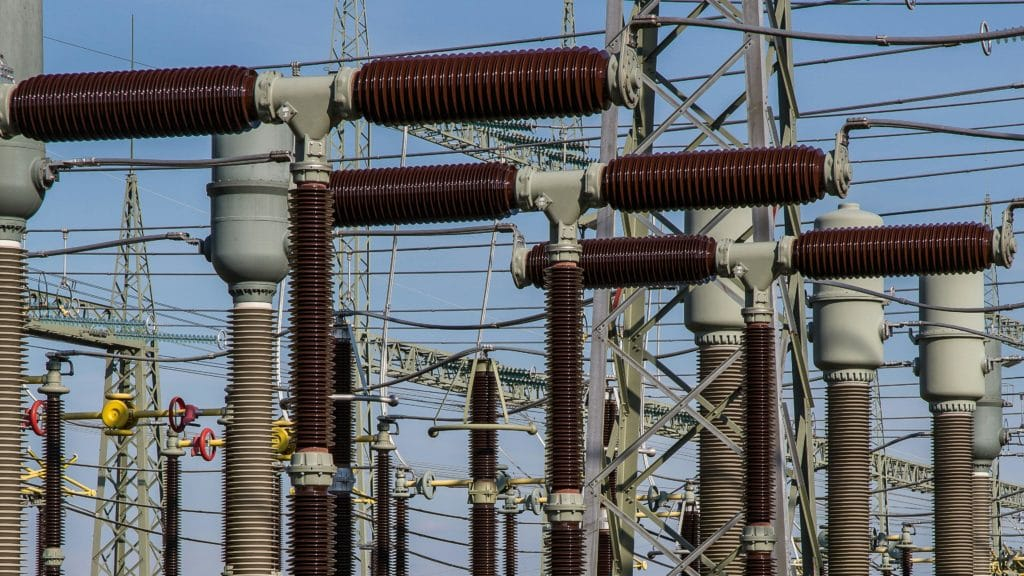
For technicians to work on substations, feeders, and switching gear, the power supply must be completely isolated. This ensures worker safety and prevents the risk of electrical accidents. Scheduled outages also allow for inspections, cable replacements, repairs of transformers, and the upgrading of outdated infrastructure that may no longer handle rising urban demand.
In many cases, these outages can last up to 10 hours because complex tasks such as rewiring feeders or overhauling switchgear cannot be rushed. Municipal teams also build extra time into the schedule to account for unforeseen challenges discovered during the work.
Why Cape Town sees longer interruptions
Cape Town has earned a reputation for being proactive in managing its electricity supply. Unlike other metros, it operates the Steenbras pumped storage scheme, purchases additional power, and has begun rolling out its own generation procurement projects.
However, maintenance of the local grid still requires extended shutdowns. Cape Town’s distribution network, much like other South African cities, includes aging infrastructure that must be modernised while remaining in service. The City often opts for longer, single-day shutdowns to complete as much work as possible in one window, rather than spreading disruptions over several smaller outages.
This approach minimises repeated inconvenience and ensures that equipment is left in a safer, more reliable state.
Why outages may last longer in future
As Cape Town and other metros integrate renewable energy sources, install battery storage, and expand their grids to accommodate new connections, planned maintenance windows may become more frequent. This is part of the cost of building a modern, resilient grid.
Residents may increasingly see day-long shutdowns in specific suburbs as old substations are retrofitted or feeders are reconfigured for renewable integration.
To live more comfortably with long planned outages, households and businesses can adopt resilience strategies:
Invest in solar + battery systems to keep essential appliances running.
Adopt energy efficiency practices that reduce reliance on the grid during peak times.
Community sharing: Neighbours can pool resources like freezers, generators, or charging hubs.
Stay informed: Sign up for City alerts, follow outage maps, and plan days around expected shutdowns