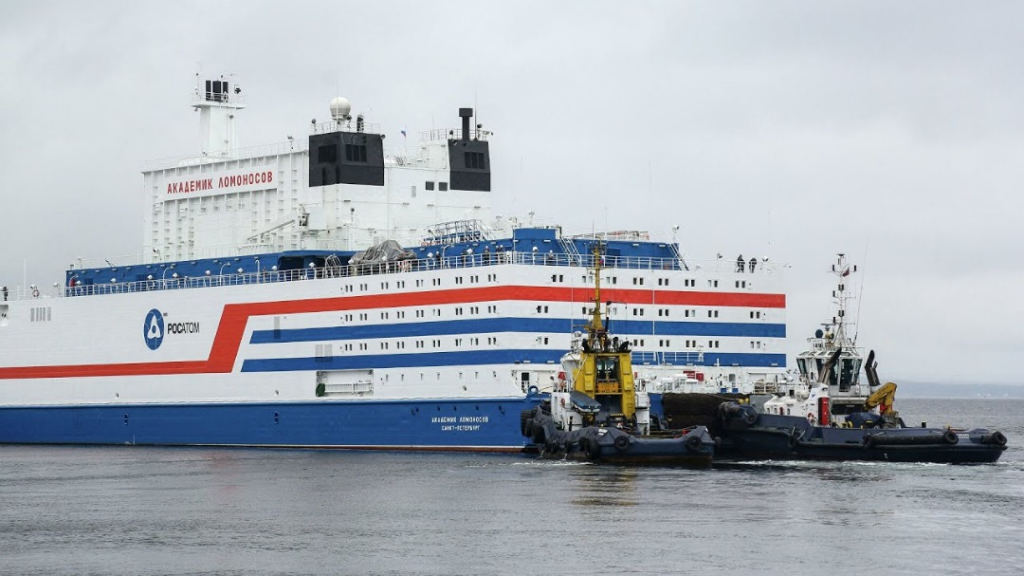


Ghana could soon become the first African country to benefit from Russia’s cutting-edge Floating Nuclear Power Unit (FPU) technology, following ongoing talks between the Russian State Atomic Energy Corporation (Rosatom) and Ghanaian authorities.
Rosatom is considering the deployment of two or three FPUs in Ghana, offering the country a flexible, clean, and reliable source of electricity. Russia remains the only nation in the world currently operating floating nuclear power plants, which are designed to provide not only power but also heating, desalination, and hydrogen production.
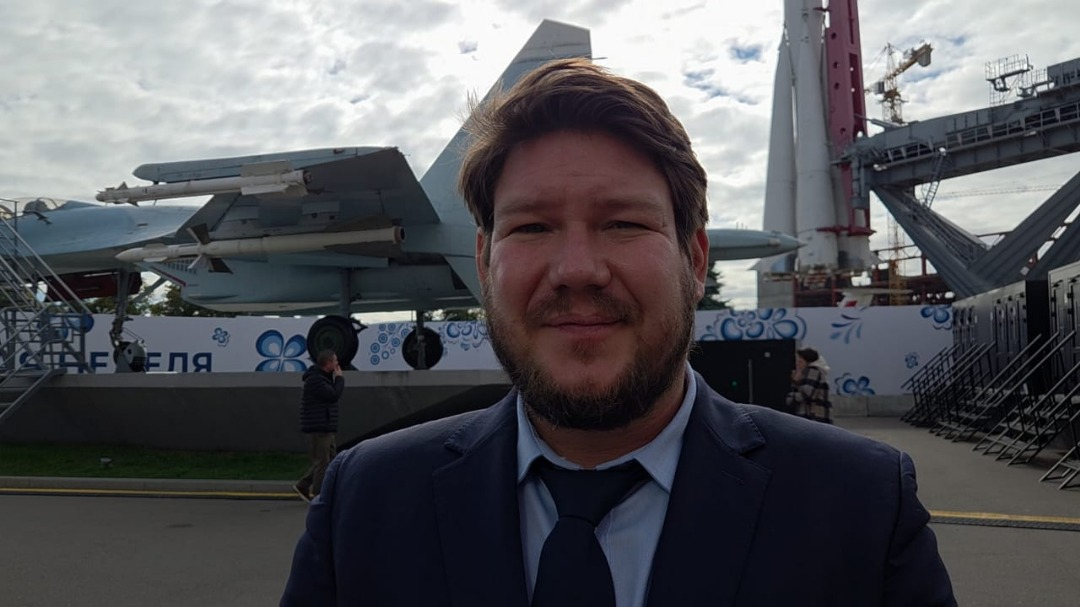
Speaking to Energycrossroads.com during the World Atomic Week celebrations in Moscow, Ryan Collier, Rosatom’s CEO for Southern and Central Africa, confirmed that negotiations are progressing.
“We have had discussions with Ghana regarding what we can offer, and there seems to be reciprocal interest. We are now working on what would be most suitable and beneficial for the country,” Mr. Collier said.
He expressed optimism that a deal could be concluded soon, stressing that the FPUs could play a key role in supporting Ghana’s industrialization drive with clean, affordable electricity, reducing reliance on fossil fuels.
According to Collier, Rosatom’s preferred model for Ghana involves selling electricity directly rather than requiring the country to make heavy upfront investments. This approach, he explained, could significantly shorten the time needed to introduce nuclear power into Ghana’s energy mix.
“While Ghana has other options for nuclear development, we believe the FPU is a very good first step. I also think Ghana will eventually move towards a large-scale nuclear power project,” he added.
Ghana has already selected vendors from the United States and China for its first nuclear power plant, with identified sites in the Western and Central regions. These projects are advancing in line with the International Atomic Energy Agency’s (IAEA) milestone framework. Collier dismissed concerns of geopolitical conflict, noting that Ghana maintains strong ties with Russia and is pursuing the projects independently.
“I think we have a very good relationship with Ghana and the geopolitical ties between Ghana and Russia are good. I think the way we are approaching this project, I can’t see geopolitical issues when it comes to making it successful.’’ Collier noted.
On affordability and reliability, Collier assured that the FPU would deliver cost-effective power. After seven years of operation, the vessels would be rotated replaced with serviced units from Russia ensuring continuous energy supply. He also debunked assertions that the process of refueling or maintenance the FPU will interrupt smooth power supply. He explained that after every seven years of service the operational vessel will be swapped with a rotational vessel for the operational vessel to be ferried back to Russia for servicing.
He also emphasized the robust safety record of nuclear reactors used in floating plants and nuclear icebreakers.
“These reactors have been in operation for many years without incidents. We have strong safety protocols, and one of the unique advantages of FPUs is that in an emergency, the power plant itself can be moved away from populated areas,” he said.
Factory-built and transportable, FPUs can be rapidly deployed and are resistant to natural disasters such as earthquakes and tsunamis. Russia’s Akademik Lomonosov remains the world’s only operational floating nuclear plant, while four more are under construction for northern Russia.
Collier noted that several African countries have expressed interest in FPUs but expressed hope that Ghana will take the lead on the continent.