


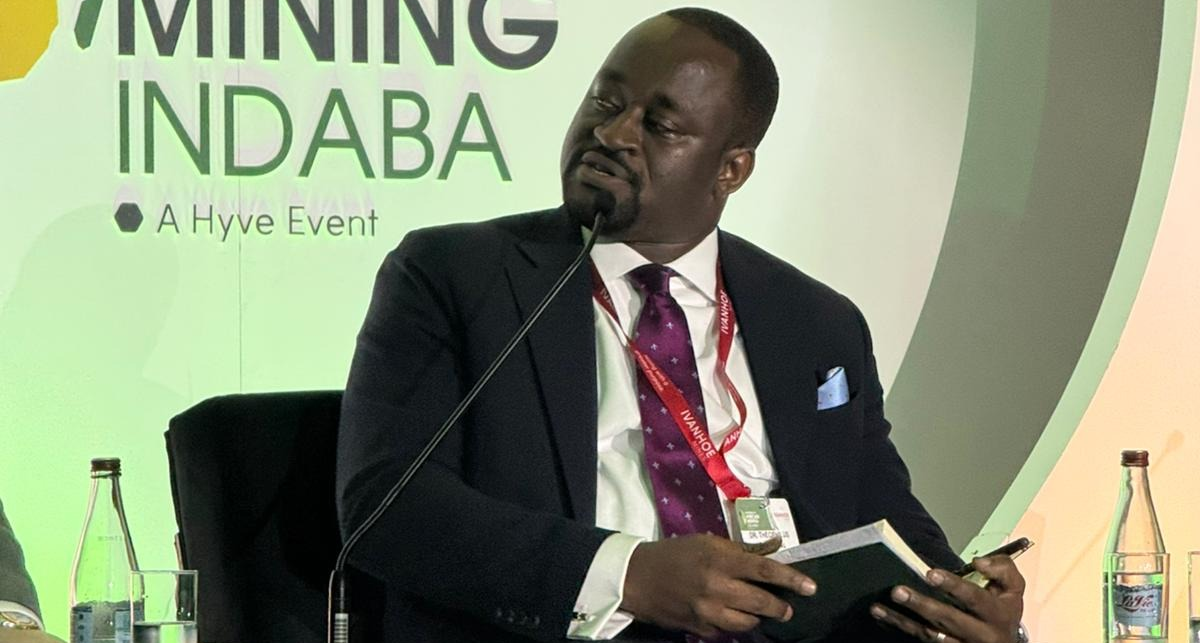
Dr. Theophilus Acheampong, a prominent petroleum economist and political risk analyst, has asserted that the integration of renewable energy into Africa’s extractive sector is no longer a peripheral environmental ambition but a core economic imperative for industrial competitiveness.
The transition to clean energy serves as the primary catalyst for unlocking the continent’s minerals value chain, offering a strategic pathway to move beyond raw ore exportation toward high-value domestic beneficiation.
By shifting from traditional fossil-fuel dependency to a diversified renewable mix, mining operations can secure the reliable, low-cost power necessary to anchor long-term industrial growth.
“Renewables can supply energy for mining and minerals value addition, while also nurturing a domestic clean technology industry. Shared-use infrastructure and blended finance are essential to unlock scale—especially for generation and transmission that can serve mines and broader industrial corridors.” Dr. Theophilus Acheampong stated
The urgency of this shift is underscored by the current logistical bottlenecks that stymie African industrialization, where energy and transport remain the “binding constraints” for value addition.
Dr. Theo Acheampong argued that reliability, cost, and speed-to-power have become the “core determinants of competitiveness” in a global market that is increasingly sensitive to carbon footprints.
While renewables offer a unique opportunity to nurture domestic clean-tech industries, this potential can only be realized when paired with “enabling regulation,” such as bankable Power Purchase Agreements (PPAs), wheeling frameworks, and absolute permitting clarity.
According to the analyst, “Energy and transport logistics are the key binding constraints for beneficiation/value addition: reliability, cost, and speed-to-power are now core determinants of competitiveness.”
The Nexus of Energy and Mineral Competitiveness
For decades, the ambition of mineral-rich nations to process resources locally has been thwarted by the extreme energy intensity of smelting and refining, which requires consistent and high-capacity power loads.
Dr. Theo Acheampong posits that a strategic “nexus” approach, combining mining, energy, and infrastructure, is the only way to bridge this gap and move toward “credible delivery models” where renewable energy anchors entire processing facilities.
In the African context, this requires a departure from isolated “islanded” power solutions in favor of integrated “industrial corridors” that leverage shared-use infrastructure to serve both mines and the wider public.
Harnessing the Green Agenda: A Roadmap for Ghana and Africa
To achieve the goals set out in Ghana’s National Energy Transition Framework, the country must leverage its critical minerals like lithium and bauxite to become a regional hub for green technology and battery manufacturing.
Africa can utilize its high solar insolation levels and vast wind resources to provide the affordable electricity needed for mineral processing, provided that “blended finance” from public, private, and DFI sources is used to unlock scale.
This transition requires the implementation of robust wheeling agreements that allow private renewable producers to use the national grid to transport power directly to mines, thereby de-risking the heavy capital investment required for transmission.
Moving from Ambition to Bankable Action
The transition from raw extraction to value addition hinges on the ability of governments to move from “ambition to bankable action” by harmonizing donor engagement and streamlining regulatory hurdles.
Dr. Acheampong emphasizes that the “nexus of mining, energy, and infrastructure” requires sophisticated financing structures that address the long-term investment cycles inherent in both the extractive and energy sectors.
As the global demand for critical minerals skyrockets, the nations that successfully integrate renewable energy into their mining value chains will emerge as the primary beneficiaries of the global green economy.