

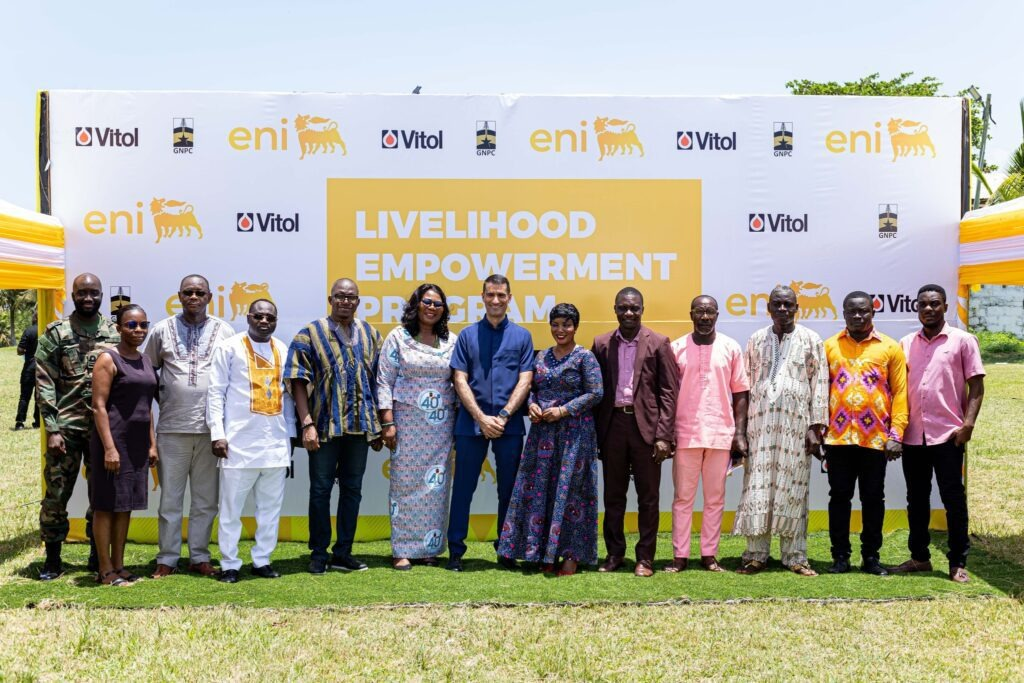
Ghana National Petroleum Corporation (GNPC) has launched a strategic collaboration with the Public Procurement Authority (PPA) to elevate the technical and administrative competencies of indigenous businesses within the country’s high-stakes oil and gas sector.This initiative, recently centered in the industrial hub of Tema, focuses on dismantling the structural and educational barriers that have historically prevented local firms including technical service providers, branding specialists, and hospitality vendors from securing significant contracts.
By providing hands-on training for the Ghana Electronic Procurement System (GHANEPS), the partnership is actively working to modernize the procurement landscape and ensure local participation is backed by robust, verifiable expertise.“Local content requires capability. At GNPC, our focus is to ensure that Ghanaian businesses are well-prepared to compete, comply, and deliver within a structured and transparent procurement environment.” GNPC’s Manager for Supply Chain and Local Content Development, Salim Braimah statedThis renewed drive for capacity building comes as GNPC transitions toward a more aggressive role as a primary operator in exploration and production, a shift that necessitates a more agile and sophisticated domestic supply chain.
The Corporation is addressing the “knowledge and skills gap” that often makes the industry’s complex regulatory environment feel like an impenetrable maze for smaller entities.
Through sessions dedicated to competitive bidding, compliance standards, and the nuances of digital tender submissions, GNPC is positioning these vendors to move beyond peripheral roles and into the high-value core of the energy economy.
Bridging the Knowledge Gap for Local Competitiveness
The disparity between deep-pocketed international corporations and indigenous vendors has long been a point of contention in the management of Ghana’s natural resources.
GNPC’s Manager for Supply Chain and Local Content Development, Salim Braimah, emphasized that “local content is not just about preference; it is about preparedness.”
This philosophy shifts the narrative from entitlement to empowerment, forcing a focus on “capability” as the primary currency for success.
By demystifying the “bureaucratic process” that often discourages local entry, the training sessions are replacing historical uncertainty with a renewed sense of confidence among participants.
Digital Transformation via GHANEPS Integration
A cornerstone of this enhancement strategy is the mandatory mastery of GHANEPS, which serves as the “digital backbone” of the nation’s public procurement.
For many local vendors, digital systems and technical documentation have acted as “silent barriers” to entry.
The practical, non-theoretical nature of the GNPC-PPA sessions ensures that even smaller service providers, such as caterers and cleaners, can navigate the digital submission portal with the same precision as global giants.
This focus on “procurement efficiency” is designed to level the playing field, ensuring that “transparency” remains the standard for every contract awarded in the upstream and downstream sectors.
Long-term Economic Value and Value Retention
Beyond immediate contract wins, these efforts are about “retaining value” within the Ghanaian economy and preventing the “resource curse” that often plagues oil-rich nations.
As proponents of local content argue, deepening participation is essential for “ensuring that the country’s natural resources translate into broad-based development.”
By building a “pipeline of local businesses” capable of scaling their operations, GNPC is fostering an ecosystem where Ghanaian expertise becomes the default choice for the industry.
This proactive approach ensures that as the demand on the supply chain increases, the “gap between local and foreign firms” finally begins to close, securing a sustainable future for the nation’s energy transition.
Leave a Reply