
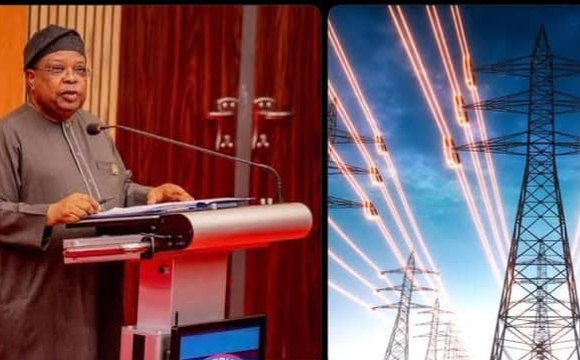
Nigeria’s electricity supply crisis has worsened following a decline in power generation caused by inadequate natural gas supplies to thermal power stations and reduced water inflows into hydroelectric reservoirs.
The Nigerian Independent System Operator (NISO) disclosed this on Thursday, November 5, attributing the recent decline in electricity generation to constraints affecting the country’s two major sources of grid electricity.
According to the system operator, limited gas availability has prevented some thermal generating stations from operating at their available capacity, while reduced water inflows have affected electricity production from hydroelectric facilities.
NISO explained that the combined challenges have reduced the volume of electricity available to distribution companies, resulting in shorter supply hours and increased load shedding across their networks.
Data from NISO’s national grid monitoring platform showed that electricity generation stood at approximately 2,556.06 megawatts as of 3 p.m. on November 5, reflecting the pressure on the country’s electricity generation capacity.
The development has affected electricity consumers across several parts of the country, with businesses and households reporting reduced electricity supply and increased dependence on alternative power sources.
In a statement, NISO acknowledged the impact of the generation shortfall on consumers nationwide, saying it was working towards diversifying Nigeria’s energy mix to strengthen electricity supply security.
The operator stated that it remained committed to maintaining grid stability and optimising available electricity generation despite the prevailing operational challenges.
Meanwhile, the Federal Government has acknowledged the worsening electricity situation, particularly in Lagos, Abuja, Ogun, Kwara and Oyo states.
The Minister of Power, Joseph Tegbe, attributed the disruptions to maintenance and operational challenges across parts of the electricity value chain, alongside gas supply constraints and reduced hydroelectric output.
Tegbe disclosed that engagements were ongoing with the Transmission Company of Nigeria (TCN), NISO and electricity distribution companies to address the challenges and restore normal electricity supply.
He acknowledged the difficulties faced by households, businesses and public institutions, assuring Nigerians that efforts were being made to resolve the situation.
However, the Ministry did not provide a specific timeline for the restoration of normal electricity supply.
The latest development has renewed concerns about Nigeria’s persistent electricity challenges despite its significant natural gas reserves and available hydroelectric resources.
Industry stakeholders have continued to emphasise the need for increased investment in gas infrastructure, improved maintenance of power facilities and diversification of the country’s energy sources.
Leave a Reply