

he Ghana power sector risk is rising sharply as increasing electricity demand continues to outpace investments in critical transmission infrastructure, raising concerns about potential supply shortfalls.
This warning comes from the Institute for Energy Security, which says the country’s power system is edging into what it describes as a “higher-risk zone.”
According to the analysis, growing economic activity and expanding electricity consumption across households and industries are driving peak demand to new levels. However, the infrastructure needed to support this growth has not kept pace.
“With demand now exceeding 4,280 MW, Ghana’s power system is now entering a higher-risk zone for supply shortfalls if capacity expansion and grid upgrades lag behind demand growth.” says the Institute for Energy Security
The Institute highlighted deep structural challenges within the transmission network as a key source of vulnerability in the power sector.
The Institute highlighted deep structural challenges within the transmission network as a key source of vulnerability in the power sector.
It noted that the system is increasingly strained by congested transmission corridors, rising technical losses, and ageing equipment that no longer meets modern operational demands.
These challenges, the Institute warned, pose a direct threat to grid stability, system reliability, and the overall efficiency of power delivery across the country.
As demand continues to climb, the pressure on existing infrastructure is expected to intensify, increasing the likelihood of disruptions during peak periods.
Economic Growth at Risk from Power Sector Inefficiencies
Beyond technical concerns, the report emphasised the broader economic implications of persistent inefficiencies in the power sector.
Unreliable electricity supply and rising system losses can increase operational costs for businesses, particularly in energy-intensive industries. This, in turn, could undermine productivity and slow the pace of industrial growth.
The Institute warned that without urgent intervention, these challenges could weaken Ghana’s competitiveness and limit its ability to attract investment.
Energy reliability remains a critical factor for economic expansion, especially as the country seeks to position itself as a hub for manufacturing and industrial activity in West Africa.
In response to the growing risks, the Institute for Energy Security has called for coordinated investment strategies and regulatory reforms to strengthen the resilience of Ghana’s power infrastructure.
The Institute therefore urges government, regulators, and development partners to prioritise transmission network reinforcement as a matter of national strategic importance.” says the Institute for Energy Security.
The think tank stressed that decisions made today regarding infrastructure investment will have long-term consequences for the sector’s performance.
“The decisions taken today… will determine the reliability, efficiency, and competitiveness of the power sector for decades to come. Decisive action is not optional, it is imperative.”
Infrastructure Upgrades Seen as Critical Solution
Addressing the challenges will require significant upgrades to existing transmission systems as well as the development of new infrastructure.
Experts say expanding high-capacity transmission lines and reinforcing key corridors will help reduce system overloads and improve the flow of electricity across the grid.
Improving voltage stability and upgrading substations are also seen as essential steps toward enhancing power quality and supporting the integration of renewable energy sources.
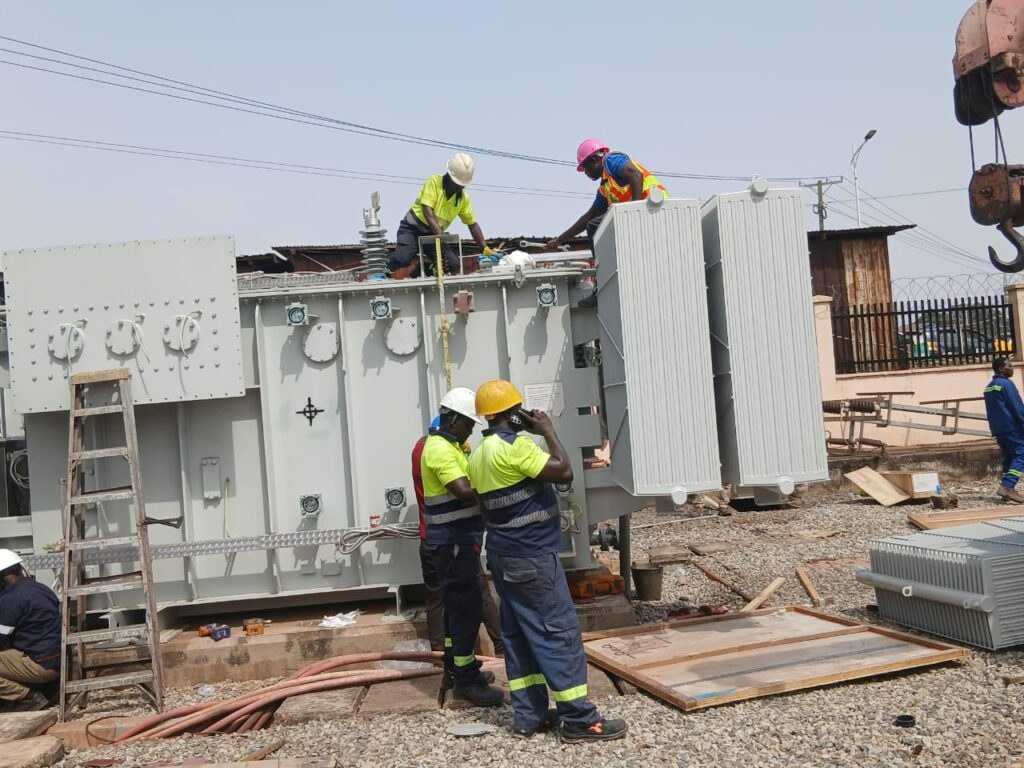
The replacement of ageing transformers and outdated equipment has become increasingly urgent, as these components are often responsible for bottlenecks that limit system performance.
The Institute also highlighted the importance of improving efficiency within the network by reducing both technical and commercial losses.
Optimising the transmission system could lower the cost of power delivery while improving overall reliability for consumers.
In addition, strengthening interconnection capacity with neighbouring countries could enhance cross-border electricity trade, allowing Ghana to participate more effectively in the regional power market.
Such integration could provide an additional revenue stream while improving energy security through diversified supply options.
Urgency Grows as Demand Continues to Rise
Improving voltage stability and upgrading substations are also seen as essential steps toward enhancing power quality and supporting the integration of renewable energy sources.
The replacement of ageing transformers and outdated equipment has become increasingly urgent, as these components are often responsible for bottlenecks that limit system performance.
The Institute also highlighted the importance of improving efficiency within the network by reducing both technical and commercial losses.
Optimising the transmission system could lower the cost of power delivery while improving overall reliability for consumers.
In addition, strengthening interconnection capacity with neighbouring countries could enhance cross-border electricity trade, allowing Ghana to participate more effectively in then regional power market.
Such integration could provide an additional revenue stream while improving energy security through diversified supply options.
Urgency Grows as Demand Continues to Rise
As electricity demand continues to grow, the pressure on Ghana’s power sector is expected to intensify, making timely intervention critical.
The Institute’s warning underscores the need for a proactive approach to infrastructure development, rather than reactive measures taken after system failures occur.
Without decisive action, the gap between demand and infrastructure capacity could widen, increasing the risk of supply disruptions and economic setbacks.
For policymakers and industry stakeholders, the message is clear: strengthening the transmission network is no longer optional but essential to securing Ghana’s energy future and sustaining its economic growth trajectory.