

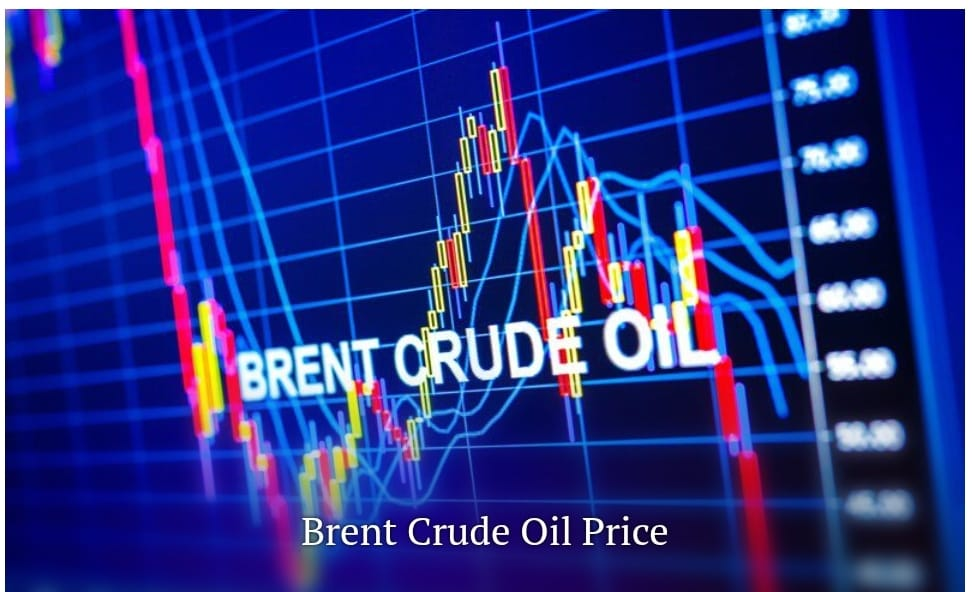
il prices could hit $150 per barrel or more if the ongoing Middle East conflict persists through the end of March, according to energy intelligence firm Kpler.
The warning comes as hostilities escalate, with Iran intensifying attacks on critical energy infrastructure across the region, raising fears of a prolonged supply disruption that could shake global markets.
Amena Bakr, Head of Middle East and OPEC+ Insights at Kpler, said the situation reflects a severe imbalance between supply and demand that has yet to be fully priced into the market.
“With this huge outage of supply, it is just a matter of time where prices really catch up with the fundamentals here and we just see how bad things are.”Amena Bakr said. Her comments highlight growing concerns among analysts that the current surge in oil prices may only be the beginning of a larger rally driven by supply shocks.
Brent Crude Surges
Global benchmark Brent Crude has already reacted sharply to the unfolding crisis. Early Thursday trading saw prices jump by about 6 percent, pushing Brent above $114 per barrel.
The surge follows continued attacks on oil facilities and the closure of the Strait of Hormuz to most international vessels, with only Iranian cargoes reportedly allowed to pass.
The Strait of Hormuz is a critical artery for global oil shipments, and any disruption to traffic through the route has immediate consequences for supply availability and pricing.
Analysts say the closure has effectively tightened global supply, forcing markets to adjust rapidly to the reduced flow of crude oil.
The situation has been further complicated by a series of retaliatory attacks targeting key energy installations across the Middle East.
Israel reportedly struck Iran’s section of the South Pars gas field, one of the largest natural gas reserves in the world. The field is shared with Qatar, making it strategically important for global energy supply.
Following the strike, Iran launched retaliatory attacks on infrastructure in neighbouring countries, including Qatar and Saudi Arabia.
Iran targeted Qatar’s Ras Laffan industrial complex, the world’s largest liquefied natural gas facility, causing extensive damage and halting operations, according to Qatar Energy.
There were also reports of an attack on the Samref refinery in Yanbu, Saudi Arabia, although the impact was described as minor.
The escalation has heightened fears of a broader regional conflict that could disrupt both oil and gas supplies across the Persian Gulf.
Global Leaders Respond to Rising Tensions
Amid the rising tensions, Donald Trump confirmed that the United States and Qatar were not involved in the Israeli strike on South Pars.
He also warned that the United States would respond if Iran carried out further attacks against Qatar, signalling the potential for deeper international involvement in the conflict.
Trump indicated that Israel would refrain from further strikes on South Pars unless Iran escalated its actions against Qatar, suggesting a fragile and uncertain balance in the region.
Despite these assurances, markets remain on edge as the situation continues to evolve rapidly.
Energy analysts say the current crisis represents more than a temporary disruption, describing it as a structural shock to global energy supply.
Bakr noted that the situation is “a supply shock—not only of oil—that hits the world,” emphasising the broader implications for energy markets.
Meanwhile, strategists at ING Group warned that ongoing attacks on infrastructure could prolong the disruption and push prices even higher.
They said the Iranian retaliation “raises fears of a more prolonged disruption to Persian Gulf energy supplies,” adding that continued escalation could drive further price increases.
The outlook for oil prices remains highly uncertain, with analysts suggesting that current levels may not reflect the full extent of supply disruptions.
Some market watchers have already begun discussing the possibility of oil prices reaching $200 per barrel if the conflict worsens and supply constraints deepen.
While such projections represent a worst-case scenario, they underscore the volatility and unpredictability of the current market environment.