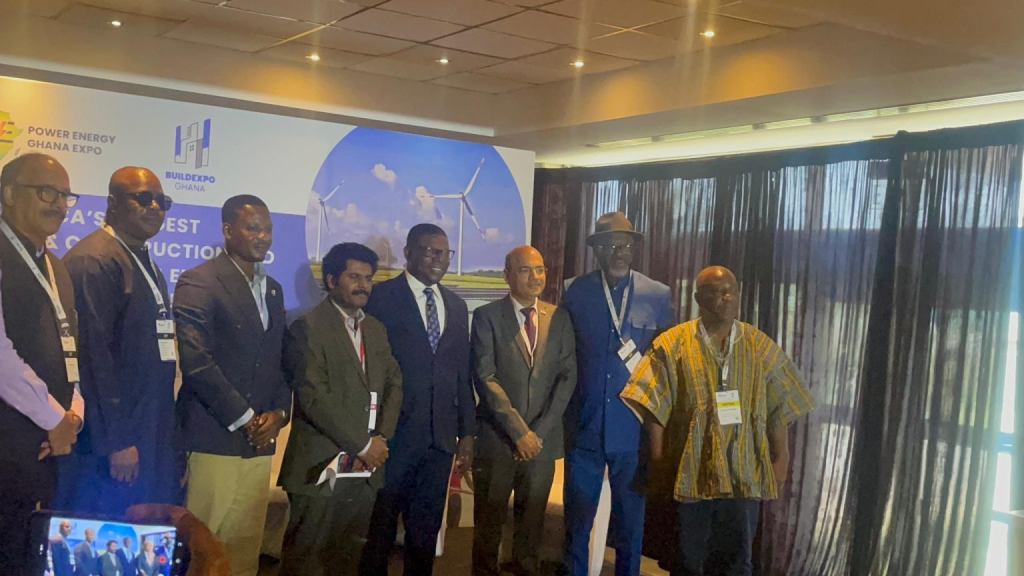


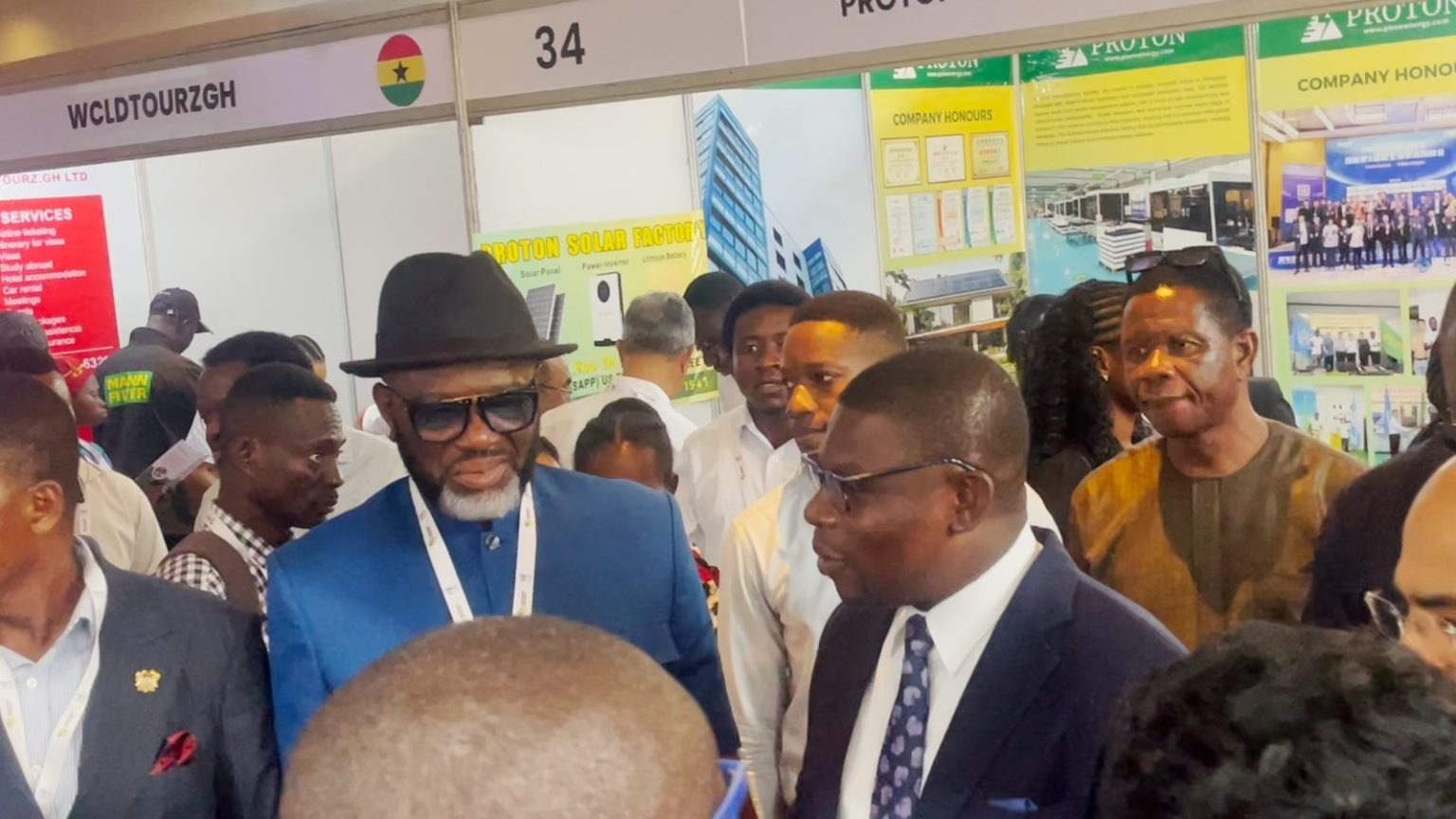
The business community is urging for more reliable and affordable energy to underpin the country’s push for a “24-hour economy”. Speaking on the sidelines of Power Energy Ghana Expo and BuildExpo Ghana 2025, Ghana Union of Traders Association (GUTA) President Joseph Obeng highlighted mounting concerns around high energy costs, which he said are burdening manufacturers and traders as they aim to expand.
Obeng stressed that as Ghana accelerates its industrialisation agenda, access to energy that is both dependable and affordable is non-negotiable. “In our quest to industrialise as a nation, it is very important we have affordable energy sources otherwise it will be in vain because of competition with the rest of the world. It is very important for us to access affordable energy sources rather than the old and obsolete ones that produce energy at a higher cost,” he stated.
As part of its recommendations, GUTA is advocating for greater adoption of renewable energy solutions, noting that clean energy must become more accessible and cost-effective for Ghanaian businesses. The association has previously pointed to solar and other alternatives as critical to alleviating the pressure on enterprise operations and positioning the country for sustained economic growth.
For his part, Deputy Minister for Energy Richard Gyan Mensah, speaking on behalf of the sector ministry, outlined a suite of initiatives aimed at transforming Ghana’s energy landscape to better support industrial and economic activity. Among the measures highlighted:
• Tariff rationalization for independent power producers (IPPs) to improve affordability while maintaining investor confidence
• Competitive and transparent procurement frameworks for new generation and infrastructure projects
• Strengthening of the cash waterfall mechanism to ensure predictable payments across the energy value chain
• Accelerated deployment of renewables, localization of solar assembly and battery storage solutions
• Digitalization of operations across the energy sector, from data-driven planning to smart distribution systems
• Enhancing local content so that Ghanaian firms are fully engaged in the country’s “green transition” agenda
The government’s heavy emphasis on energy reform reflects its belief that a robust energy system is foundational to industrial expansion, business growth and job creation.
In addition, India’s High Commissioner to Ghana, Manish Gupta, reaffirmed his country’s commitment to strengthening bilateral cooperation in key areas including energy, trade and technology — a sign of increasing global interest in Ghana’s energy-industrial pathway.