

Faith communities and civil society organizations (CSOs) across Ghana are stepping up their involvement in the country’s ambitious energy transition agenda, following a series of nationwide engagements aimed at empowering communities with knowledge and practical tools for climate action.
Three years ago, Ghana launched its National Energy Transition Framework (2022–2070) — a long-term roadmap designed to balance economic growth, energy security, and environmental sustainability while meeting commitments under the Paris Agreement. The framework charts the path toward a low-carbon, climate-resilient economy and supports the Sustainable Development Goal 7 (affordable, clean energy).
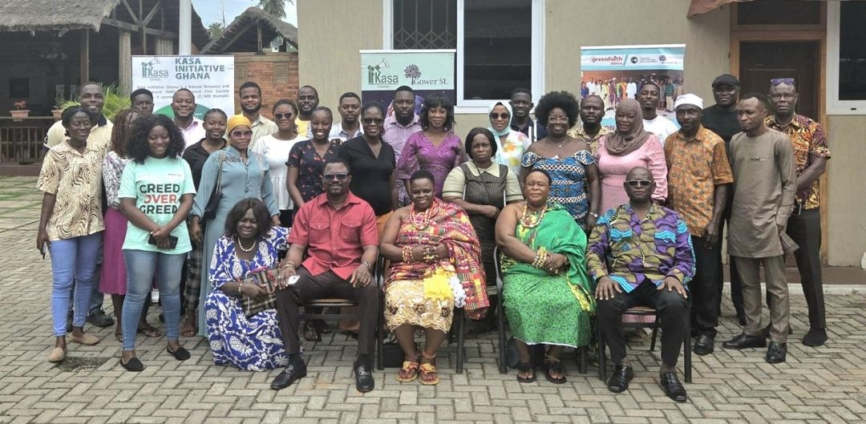
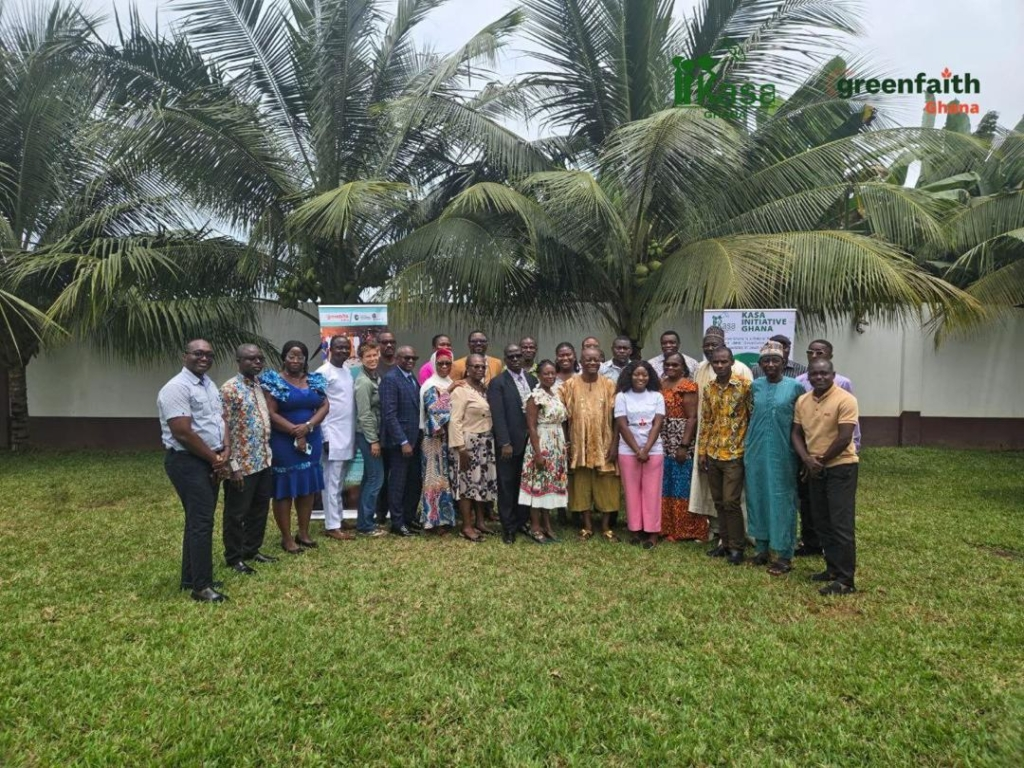
Recognizing that government alone cannot deliver this transformation, GreenFaith Ghana and the KASA Initiative in partnership with the Ministry of Energy and Green Transition, organized multi-faith and CSO forums across Takoradi, Ellembelle, and Cape Coast. These engagements brought together pastors, imams, chiefs, queen mothers, grassroots activists, persons with disabilities, and policy experts to discuss how communities can play an active role in Ghana’s renewable energy future.
Faith Leaders as Catalysts for Change
Miss Gifty Elikplim Agbenyefia, National Coordinator of GreenFaith Ghana, highlighted the untapped potential of faith leaders in driving climate action.
“Faith communities are often the first responders when climate disasters strike, yet they remain excluded from policy discussions. Leaders must speak truth to power, demand accountability, and mobilize their congregations to adopt sustainable practices,” she said.
Agbenyefia encouraged faith institutions to integrate environmental stewardship into sermons and community programs, framing renewable energy adoption as both a moral and social responsibility.
Community Education and Policy Integration
Jonathan Gokah of the KASA Initiative underscored the importance of community-level education. He urged district assemblies to integrate renewable energy policies into their medium-term development plans rather than waiting for central government action.
“Communities that understand the urgency of climate action will also appreciate the tangible benefits of renewable energy,” Gokah noted.
Government’s Perspective on Transition
Dr. Robert Sogbadji, Deputy Director and Nuclear & Green Energy expert at the Ministry of Energy and Green Transition, presented Ghana’s national strategy. He stressed the urgent need to diversify away from fossil fuels while ensuring energy security. His sessions also offered participants insights into renewable energy technologies — including solar, wind, and biogas and financing models for community-scale projects.
He outlined the broader benefits of renewable energy adoption:
- A more diverse energy mix
- Improved air quality and public health
- Long-term reduction in energy costs
- Creation of green jobs
However, Dr. Sogbadji cautioned that the transition must be carefully managed to avoid risks such as stranded fossil assets and job losses in traditional energy sectors. He also raised concerns over the impact of illegal mining (galamsey) on water resources, warning that the environmental damage poses serious challenges for hydropower and broader sustainability goals.
Building Capacity for Action
The engagements equipped participants with:
- Technical knowledge: Practical understanding of renewable energy systems, maintenance, and financing.
- Policy literacy: Clearer insights into Ghana’s renewable energy policies and incentives.
- Advocacy skills: Tools to amplify community voices and influence national decision-making.
By placing faith leaders and CSOs at the center of dialogue, Ghana is creating a more inclusive pathway for its energy transition. The initiative not only deepens public understanding of climate policies but also strengthens grassroots ownership of the renewable energy agenda.