

The Electricity Company of Ghana (ECG) is seeking approval from the Public Utilities Regulatory Commission (PURC) for a 225% increase in its Distribution Service Charge (DSC1), a move it says is critical to avert financial collapse and sustain reliable power supply.
If approved, the charge will rise from GHp19.0384/kWh to GHp61.8028/kWh for the 2025–2029 tariff period. ECG, which supplies electricity to more than 73% of Ghana’s population and 4.87 million customers, argues that the current tariff structure is unsustainable.
According to the company, the DSC1 accounts for just 11% of the total electricity value chain cost, compared with the global benchmark of 30–33%. Coupled with a 74% depreciation of the Ghana cedi between 2022 and 2024—eroding the real value of revenue by about 45%—the utility says it cannot continue to operate effectively without a major adjustment.
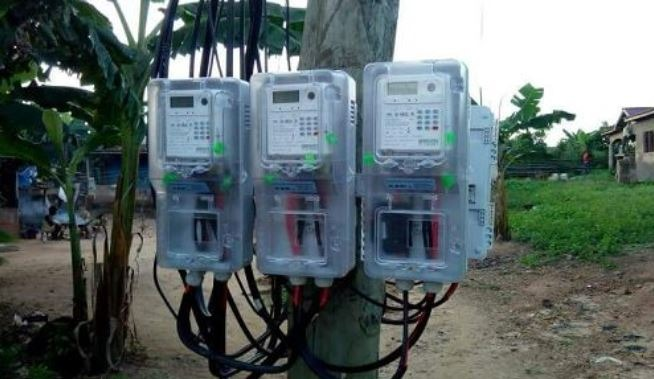
ECG insists the increase will fund ongoing investments in infrastructure and service quality. Since 2022, the company has invested over US$408 million in substations, automation, and the deployment of one million smart meters. The proposed tariff, ECG says, will allow it to expand these efforts, including rolling out an additional three million smart meters, improving voltage supply, and addressing customer complaints more swiftly.
Projections indicate that if the new rates are approved, power reliability will improve significantly. ECG estimates that the System Average Interruption Duration Index (SAIDI) will drop from 32.5 hours in 2024 to 19.2 hours by 2029, while the frequency of outages (SAIFI) will reduce from 16 to 9. System losses are also expected to decline from 27% to 22%, with revenue collection efficiency rising above 90%.
The company has pledged to replace faulty meters at no cost to customers and enhance digital solutions such as the ECG Power App, which enables customers to purchase credit, monitor balances, and file complaints remotely.
Ultimately, ECG argues that cost-reflective tariffs are necessary to end its reliance on government bailouts, freeing state resources for other national priorities. The PURC, however, will make the final decision after reviewing the proposal and conducting public consultations. Any adjustments will only take effect once formally approved and announced.