


The International Monetary Fund (IMF) has thrown its weight behind Ghana’s planned review of utility tariffs in the energy and power sectors, describing it as a critical step toward addressing long-standing inefficiencies in the industry.
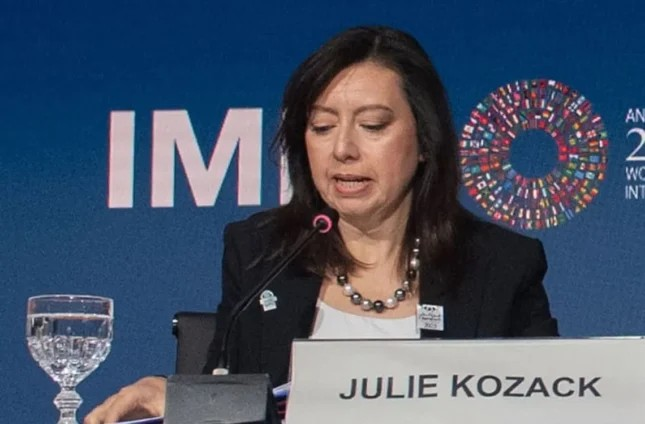
Speaking at a press briefing in Washington, D.C., IMF Communications Director Julie Kozack said the adjustment is expected to help clear debts, attract new investment, and strengthen the sector’s financial sustainability.
“The IMF supports broader energy sector reforms, including private sector participation in the operations of the Electricity Company of Ghana,” Mrs. Kozack stated. She noted that the reforms are part of a wider strategy to improve the performance of state-owned enterprises and reduce fiscal risks.
PURC’s Upcoming Tariff Review
The IMF’s endorsement comes as the Public Utilities Regulatory Commission (PURC) prepares to implement a major tariff review from October 1, 2025. The Commission is currently holding stakeholder consultations on proposals submitted by utility companies.
The Electricity Company of Ghana (ECG) has reportedly requested a hike of over 200 percent. However, sources close to PURC indicate that such a steep increase is unlikely to be approved.
The government has already committed to working with PURC on this adjustment as part of its ongoing programme with the IMF. Officials say the review is necessary to tackle the sector’s ballooning debt and create a path toward financial stability.
Economic Concerns
While the IMF has endorsed the proposed tariff reforms, some economists have warned that sharp increases could worsen inflation and raise the cost of living for households and businesses.
Ghana’s IMF Programme
Beyond energy reforms, Kozack also praised Ghana’s progress under its three-year IMF programme, noting improvements in financial management and stronger-than-expected economic growth.
“Growth continues to outperform expectations, and the macroeconomic environment is showing signs of improvement,” she said.
The IMF Executive Board approved Ghana’s $3 billion Extended Credit Facility (ECF) in May 2023. The programme aims to restore fiscal stability, expand social protection programmes such as LEAP and school feeding, and implement structural reforms in taxation, public financial management, energy, and cocoa.
It also targets tighter monetary policies to control inflation, an end to central bank financing of the budget, and a flexible exchange rate regime to rebuild reserves.