


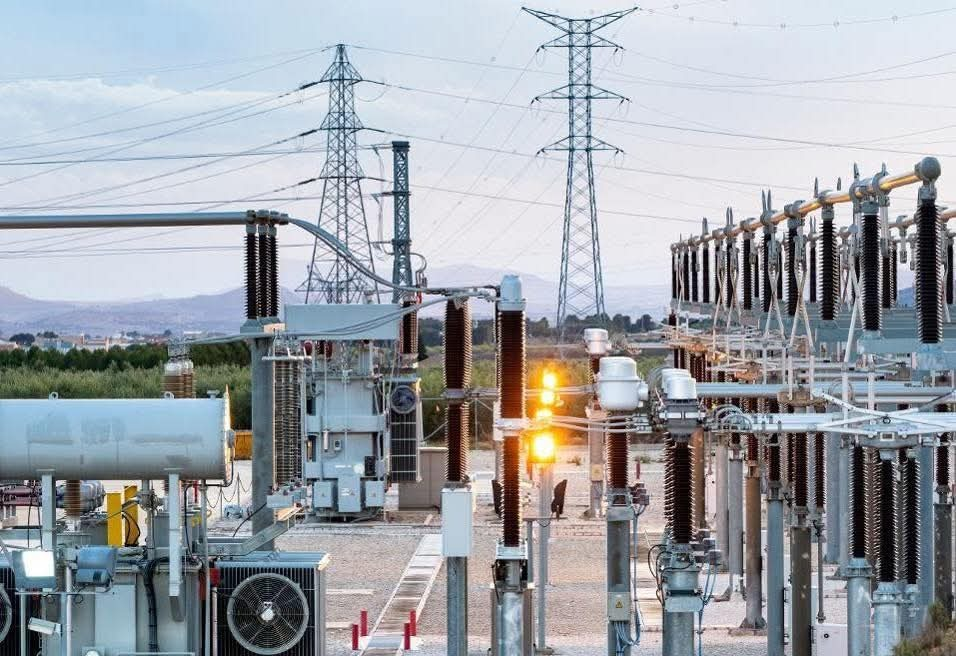
DebateAfrica’s energy transition must be anchored on stronger electricity infrastructure and pragmatic energy policies if the continent is to achieve sustainable industrial growth and expanded electricity access, discussions at the ongoing Africa Energy Forum (AEF) 2026 have highlighted.The forum, taking place in Cape Town, has brought together policymakers, utility executives, investors and development partners to examine practical solutions to Africa’s persistent energy access and infrastructure challenges amid shifting global energy dynamics.While renewable energy continues to attract investment across the continent, discussions are focusing heavily on the limitations of transmission and distribution systems, which many stakeholders say remain a major bottleneck to reliable power delivery.“Africa will not sacrifice its industrialization to meet external emissions targets, emphasizing the continent’s right to development.” said Dr. Kgosientsho Ramokgopa, Africa Energy Forum 2026Participants note that expanding generation capacity alone is not sufficient if electricity cannot be efficiently transmitted through weak and aging grid infrastructure. As the central theme at the ongoing forum is the urgent need to modernize electricity transmission networks across Sub-Saharan Africa.Industry stakeholders argue that while generation projects have expanded significantly in recent years, investment in transmission infrastructure has not kept pace, creating structural imbalances in power systems.Many national grids remain constrained, limiting the ability to integrate new generation capacity and deliver stable electricity to end users.
Regional Interconnection and Power TradeAttention is also turning toward regional electricity integration as a practical pathway to improving energy security.Frameworks such as the West African Power Pool (WAPP) are being discussed as critical mechanisms for enabling cross-border electricity trade and improving system resilience.Stakeholders argue that stronger interconnection would allow countries with excess generation capacity to supply neighbouring markets facing shortages, improving overall efficiency across the region.However, participants also acknowledge that infrastructure gaps and regulatory fragmentation continue to slow progress toward a fully integrated regional power market.Natural gas remains a key point of discussion at the forum, particularly in relation to Africa’s industrialisation strategy and energy security needs.Stakeholders argue that while renewable energy expansion is essential, gas continues to play a stabilising role by providing baseload power required for industrial activity, manufacturing and broader economic development.The debate reflects a broader tension between global emissions expectations and Africa’s development priorities.
The stance comes alongside a $3.5 billion gas expansion commitment by the Ghana National Petroleum Corporation (GNPC) and partners aimed at boosting domestic gas supply and strengthening regional energy security.Domestic Gas Development and Energy SecurityAcross West Africa, stakeholders are highlighting increased investment in domestic gas resources as a strategy for reducing reliance on imported fuels and strengthening energy security.In Ghana, GNPC’s recent investment commitments are being viewed as part of a broader effort to stabilize domestic supply and support industrial growth through reliable gas availability.
Participants note that expanding gas infrastructure could help reduce exposure to global price volatility while supporting long-term industrial planning.Delegates are also pointing to growing refining capacity in West Africa as evidence of a structural shift toward greater energy self-sufficiency.The expansion of domestic refining is expected to reduce reliance on imported refined petroleum products while retaining more value within regional economies.Nigeria and Ghana are frequently referenced in discussions on how downstream investments are reshaping fuel supply chains and easing foreign exchange pressures.
Financing Energy
InfrastructureFinancing remains a central theme at the forum, with stakeholders discussing ways to mobilise private capital for energy infrastructure
development.Governments are increasingly cautious about sovereign guarantees, prompting a shift toward private-sector participation supported by improved regulatory frameworks.Blended finance models are being highlighted as a key tool for de-risking projects and attracting long-term investment without overburdening public finances.As discussions continue at AEF 2026 in Cape Town, a consistent message emerging is that Africa’s energy future will depend on balancing grid expansion, regional integration, diversified energy sources and pragmatic investment
frameworks.Stakeholders emphasise that no single energy source will solve the continent’s challenges alone, and that system reliability and transmission investment will be just as important as new generation capacity.The ongoing debate reflects a broader shift toward energy planning that prioritizes industrial development, affordability and access alongside global climate commitments.