

.
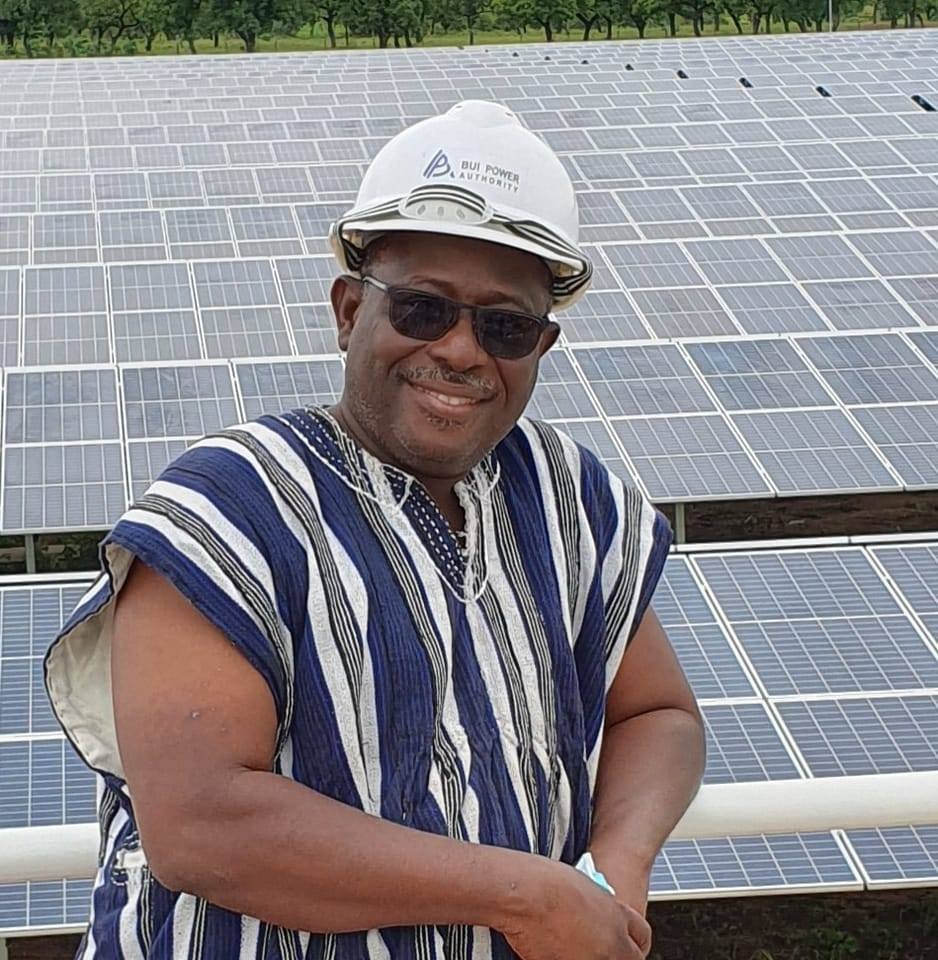
Mr. Wisdom Ahiataku Togobo, the former Director of Renewable Energy at the Bui Power Authority, has issued a stern warning regarding the aggressive push for electric vehicle (EV) integration in Ghana, citing significant risks to the national stability of power supply.
He cautioned that while the global shift toward green mobility is commendable, a rapid and uncoordinated transition in the Ghanaian context could trigger a return to “dumsor” the country’s notorious period of persistent and irregular power outages due to an anticipated surge in electricity demand that currently outpaces infrastructure development.
“If you look at the national energy statistics for 2025, it’s clear that electricity from Akosombo, Ameri, and thermal plants accounts for just 18% of total energy consumed in the country. Reducing demand for petroleum in favor of electricity will require expanding our generation capacity. That is why the Minister is right to regulate the process.” Mr Togobo stated.
The energy expert’s concerns come at a time when the Energy Commission reports that Ghana is already home to more than 177,000 electric vehicles, a figure that signals a burgeoning market yet poses a daunting challenge for the existing grid.
Mr. Togobo, highlighted a stark disconnect between the country’s current energy consumption patterns and its generation capacity.
He noted that while petroleum products like diesel and petrol currently satisfy 55% of the nation’s energy needs, electricity from hydro and thermal sources including the Akosombo and Ameri plants accounts for only 18%, suggesting that a wholesale shift to EVs would require a massive and immediate expansion of the power sector to prevent a total system collapse.
The Infrastructure Gap and Grid Vulnerability
The primary concern for energy planners is the timing and magnitude of the load added by EV charging.
According to research, the national grid is currently optimized for existing industrial and residential demand, leaving little “spinning reserve” for a sudden influx of high-draw appliances like fast chargers.
Mr. Togobo pointed out that “Ghana’s current capacity is only adequate for existing demand,” and any unregulated growth in the EV sector could overwhelm the distribution networks.
While the Minister for Energy and Green Transition has been praised for committing to the regulation of charging infrastructure, the technical reality remains complex.
Rapid adoption without smart-grid technology means that if thousands of users plug in their vehicles simultaneously particularly during peak evening hours the localized transformers and the broader transmission backbone could face catastrophic failures.
The expert emphasized that “unchecked EV growth could overwhelm the grid,” necessitating a proactive approach to maximize benefits while mitigating these systemic risks.
The Limitations of Solar and the Call for Alternatives
A common misconception in the green transition dialogue is that solar energy can serve as a “silver bullet” for EV charging.
Mr. Togobo clarified that while solar power is excellent for “daytime office charging when vehicles are idle and sunlight is abundant,” its contribution to the overall EV ecosystem is inherently limited.
ADVERTISEMENT
Because the majority of vehicle owners typically charge their cars at night when they return home, the lack of sunlight during peak charging hours renders standard solar installations insufficient without massive, expensive battery storage systems.
To bridge this gap, the former Director urged the government to “fast-track the expansion of power generation through natural gas and the country’s nuclear energy agenda.”
By diversifying the base-load supply, Ghana can provide the “swift and affordable alternatives beyond solar” required to support a 24-hour charging cycle.
This strategic expansion is seen as the only viable path to ensure that the transition to electric mobility does not come at the expense of national energy security.
Navigating the Transition to a Green Future
Despite the warnings, there is a clear path forward that balances innovation with reliability.
The Ministry of Energy and Green Transition is already working on a roadmap that includes the deployment of rapid charging stations and the implementation of solar-grid hybrid models.
However, as Mr. Togobo noted, the success of these initiatives depends on “effective planning and an increase in generation capacity” to meet the rising demand.
The move toward EVs is not just an environmental imperative but a fiscal one, as it aims to reduce the 55% reliance on imported petroleum.
Yet, for this “green revolution” to succeed without plunging the country into darkness, the expansion of the grid must precede the mass importation of vehicles.
By prioritizing natural gas and nuclear energy alongside regulated charging protocols, Ghana can avoid the pitfalls of a “risky” surge and instead build a sustainable, electrified transport sector that powers economic growth rather than hindering it.
Leave a Reply